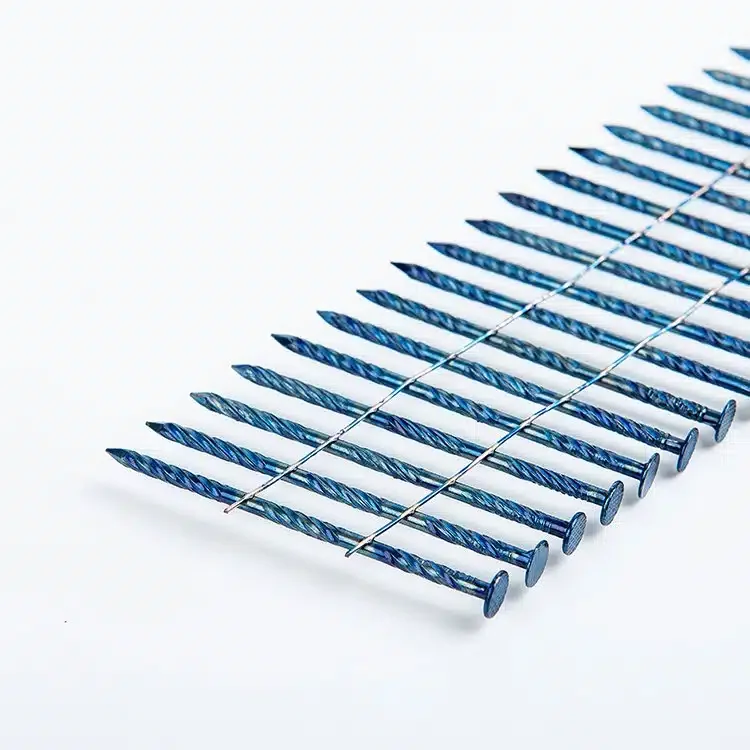
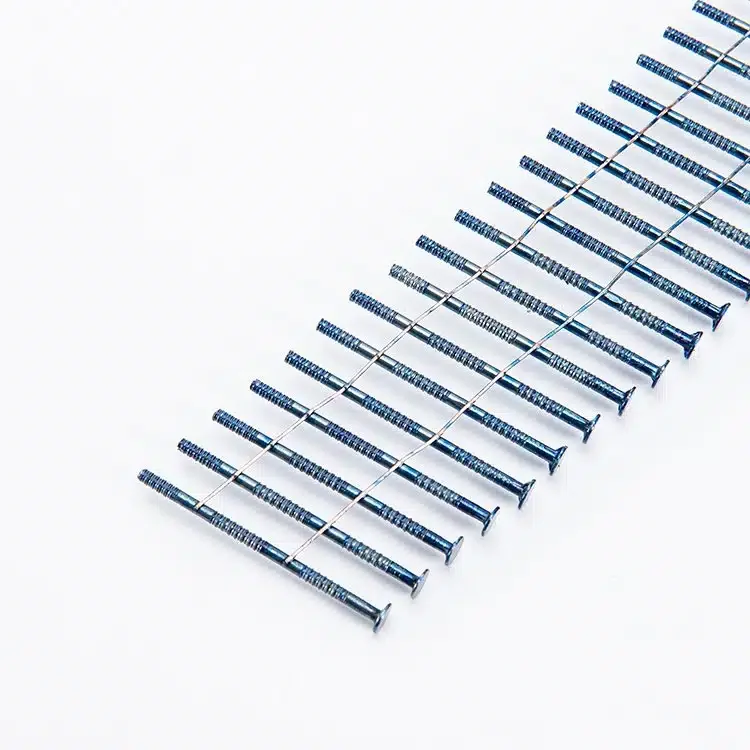
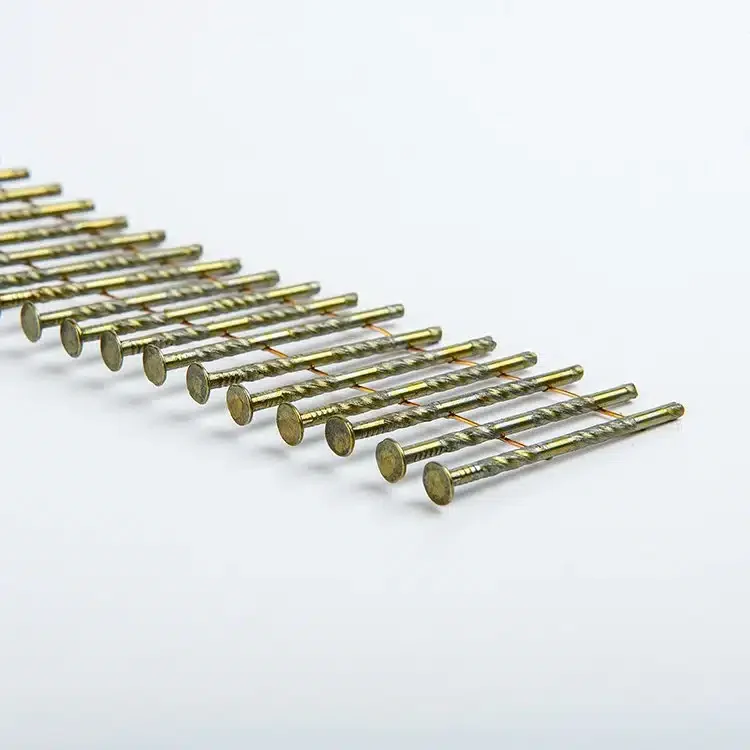
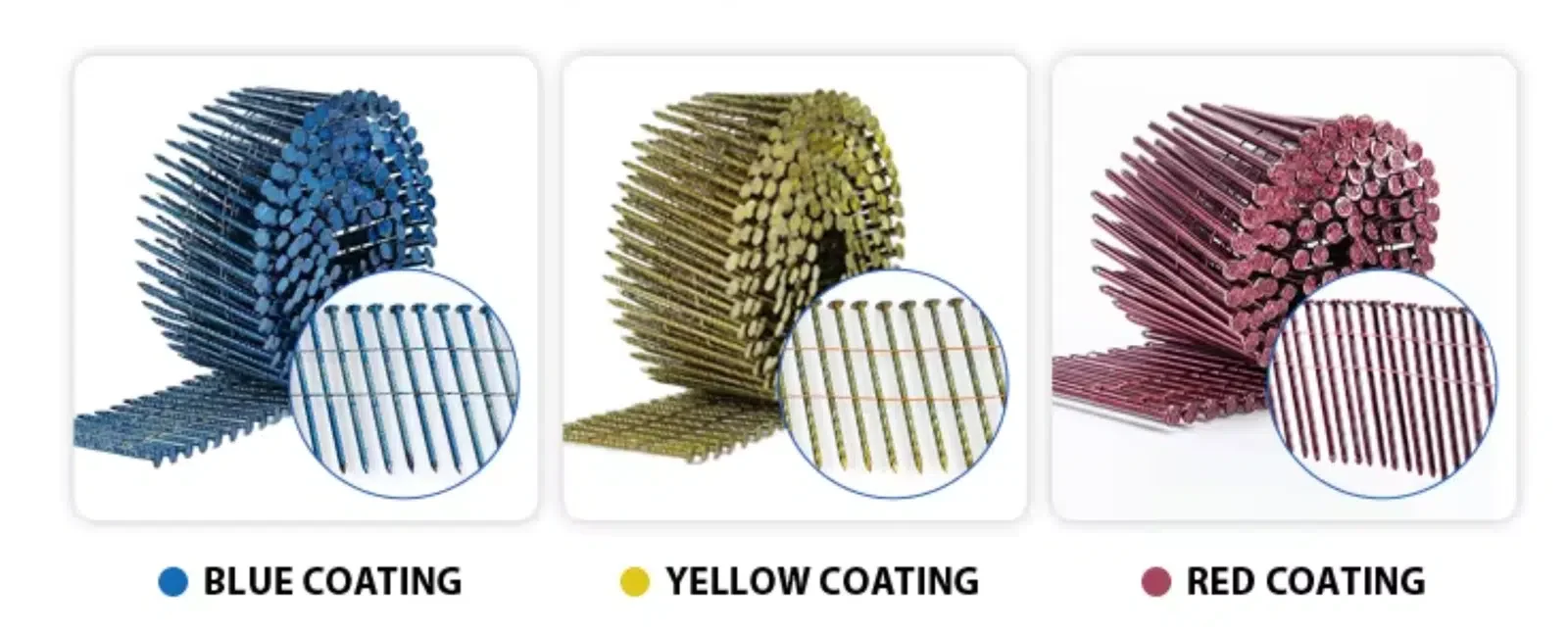
Both steel grades are available. Q235 denotes a higher base-steel yield grade. Finished-nail performance also depends on wire processing, nail design and the timber joint.
Select the grade with a driving trial and a joint-holding check in your actual timber. A suitable specification meets the job requirements without unnecessary material cost.
Lower driving resistance. A cost-focused option when the tested joint meets the required holding performance.
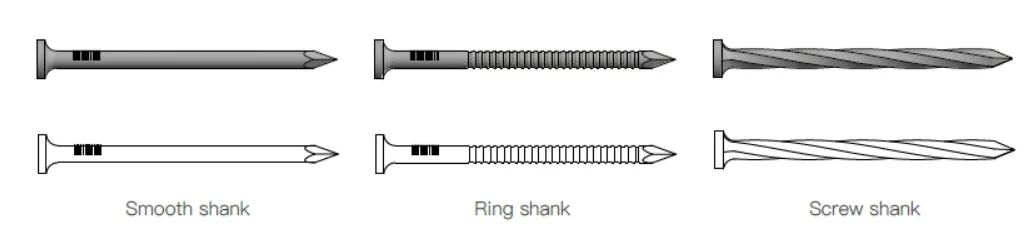
Ring shank
Consider when resistance to pull-out is a priority. Check driving performance and the finished joint in your timber.
Screw shank
A deformed profile for additional grip. Compare with ring shank for your joint; both generally need more driving energy than smooth shank.
Softer timber
Check penetration and pull-out resistance. Test the complete joint before choosing the steel grade and shank.
Dense timber & knots
Trial the material, diameter and point together. Check for bending, splitting and full driving with the intended machine.
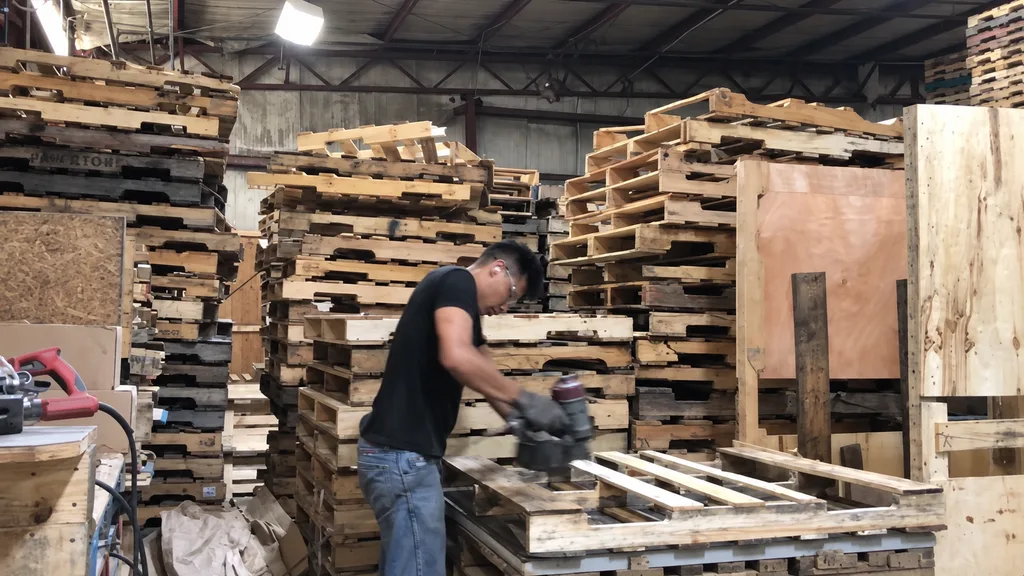
Repeated-use pallets
Review handling cycles, moisture changes and withdrawal/shear requirements. Shank type alone does not establish a pallet load rating.
Buying for different markets? Send the destination country, actual wood species or density, board thickness, moisture condition and pallet use. Imported, mixed and reclaimed timber should be assessed by its condition; country alone is not a material specification.
Match the nail to the nailer
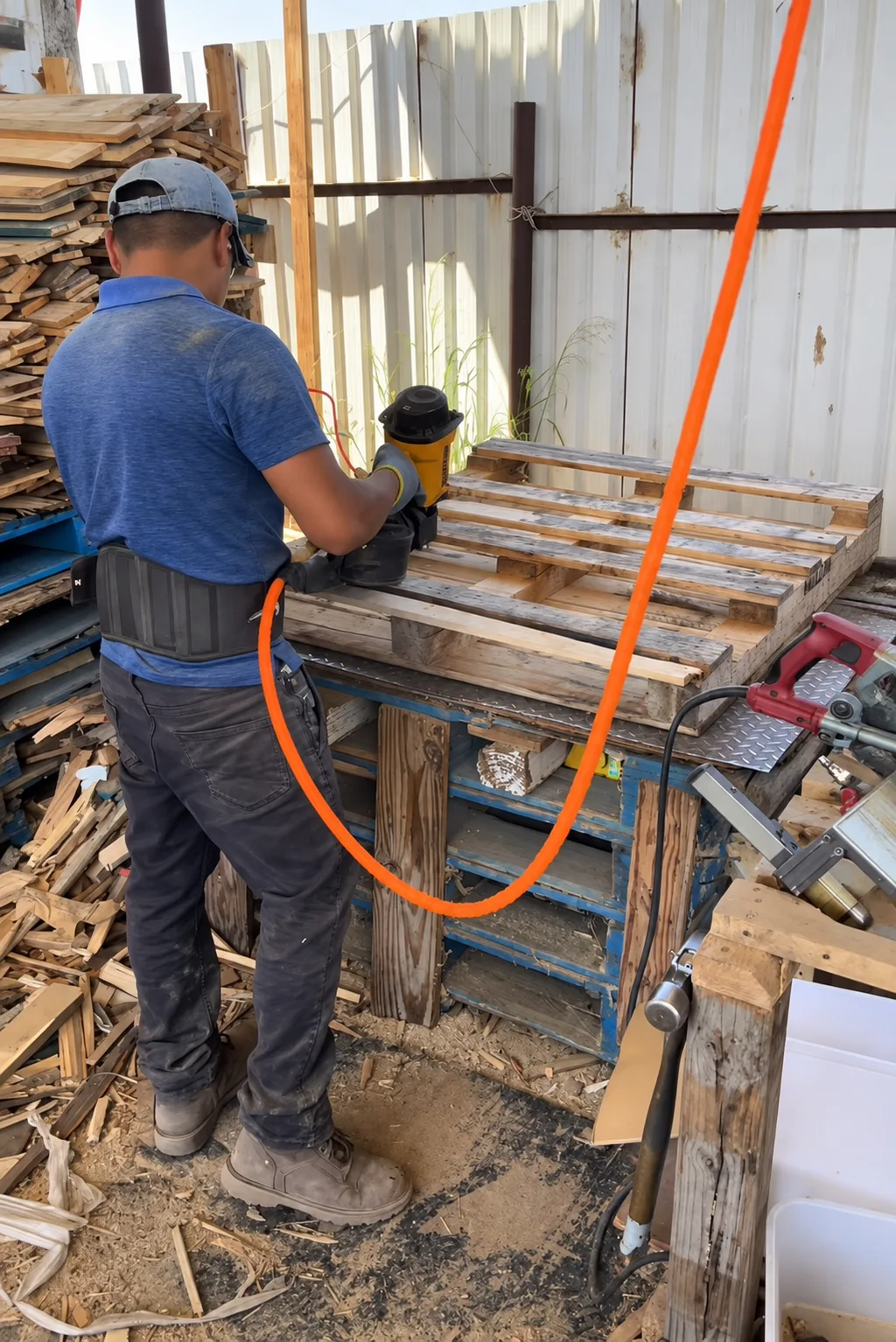
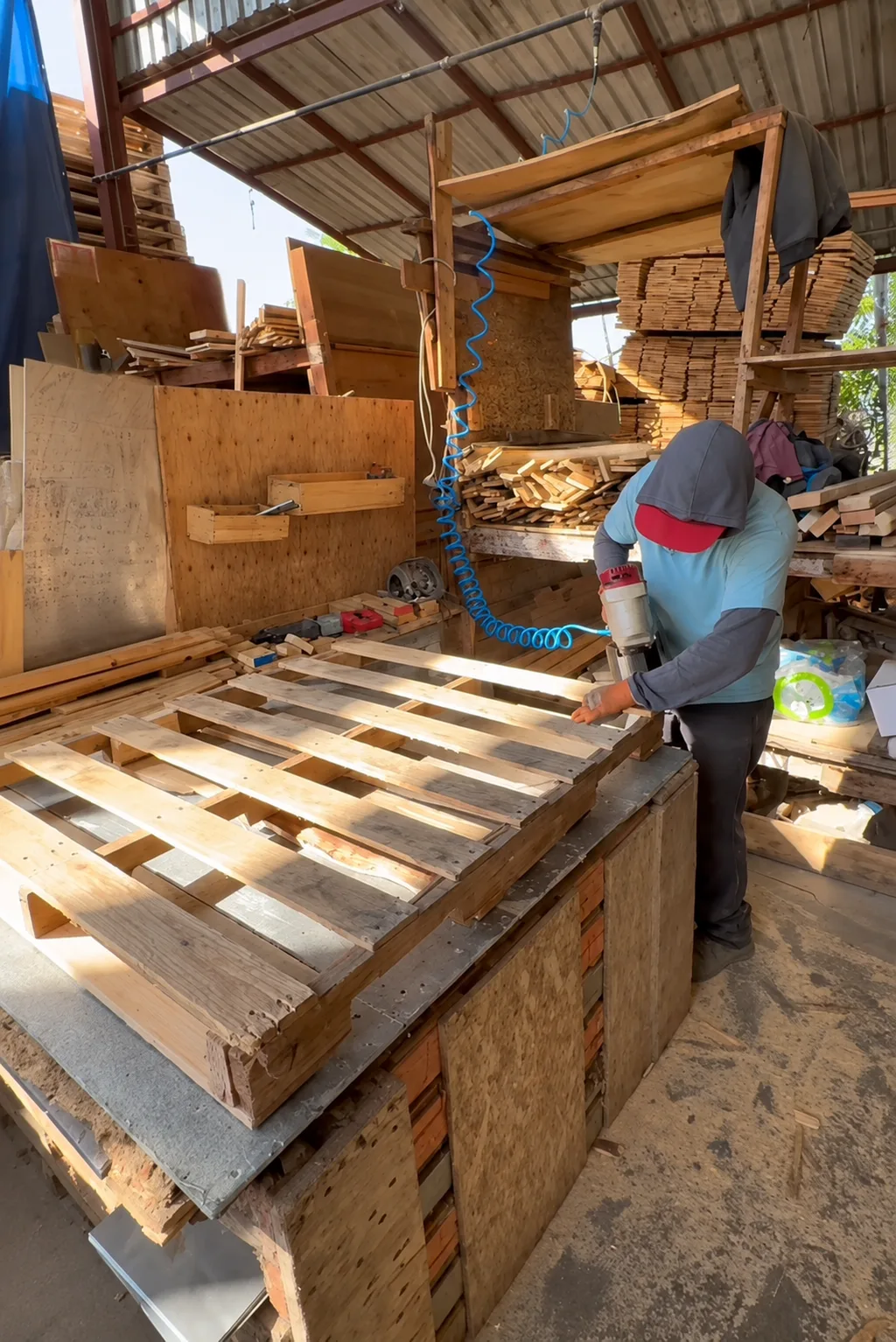
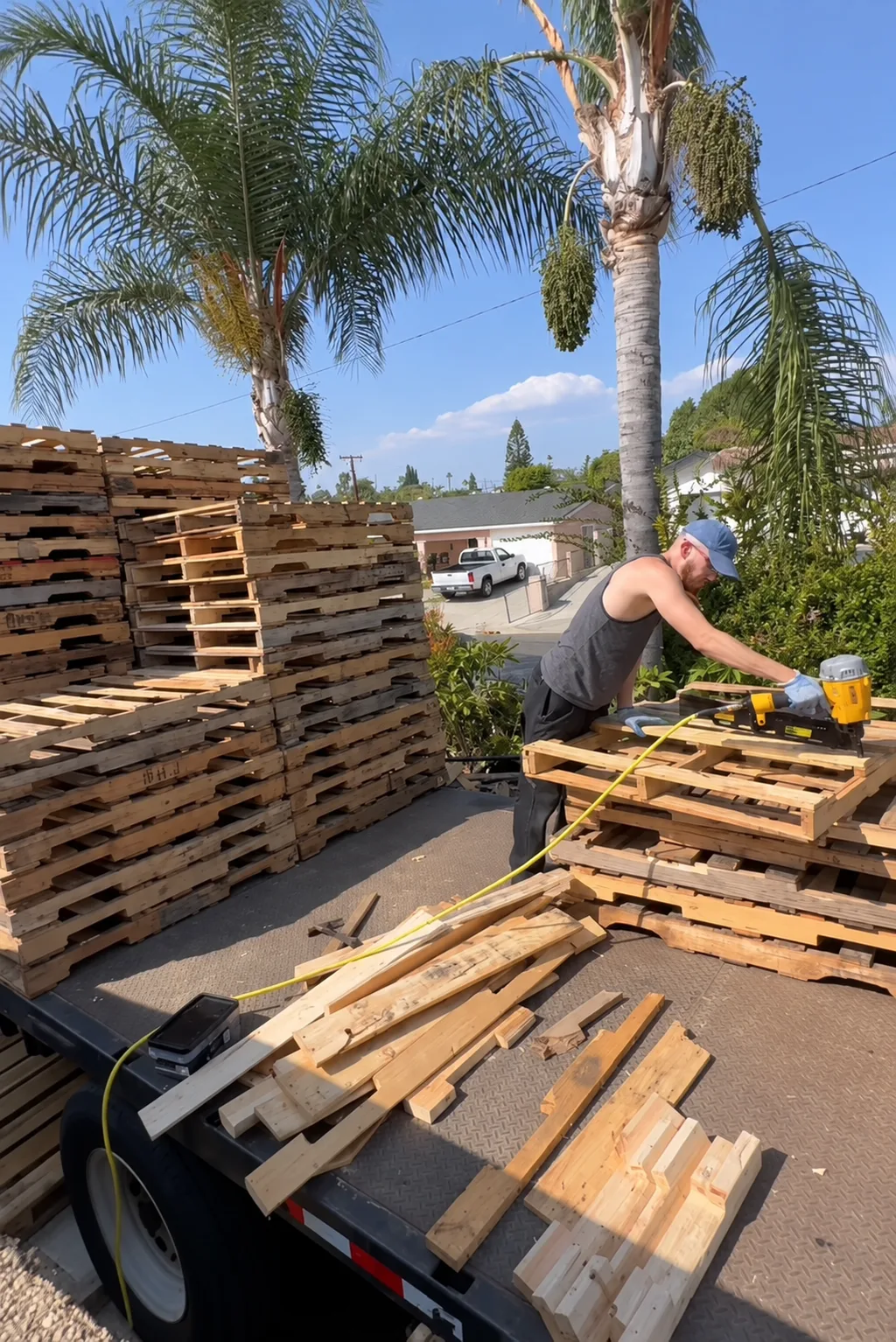
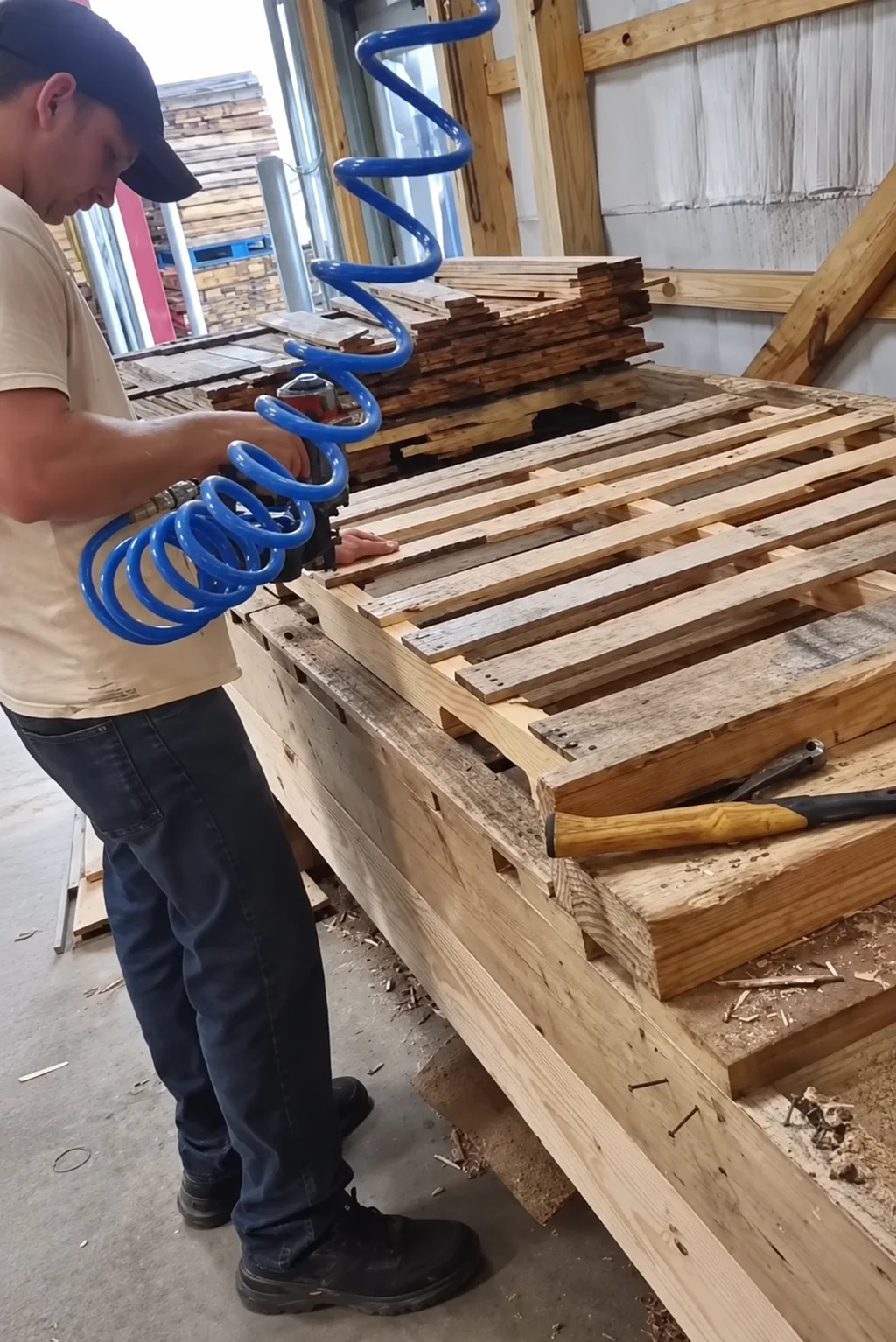
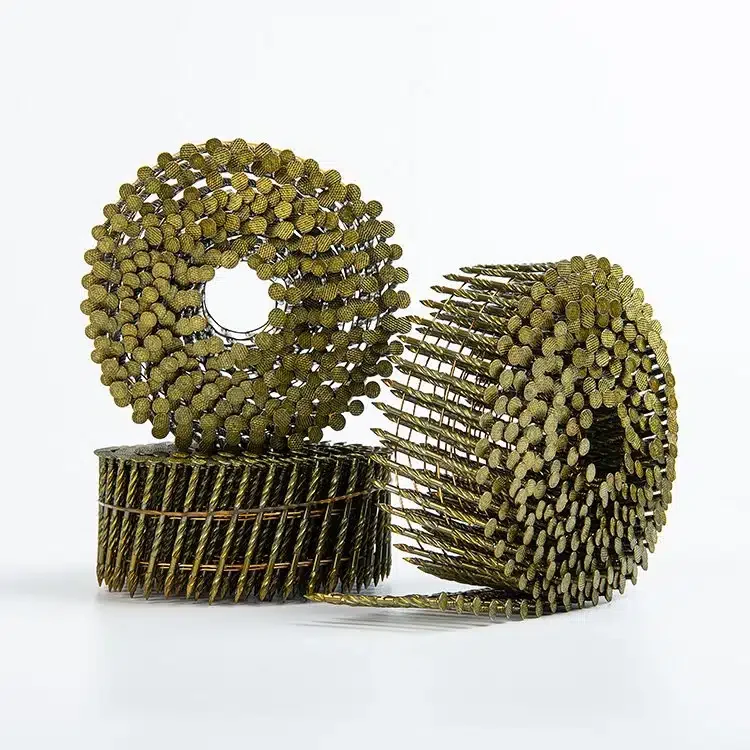
Use these Meite CN-series model references to narrow down the tool. Examples are based on nominal diameter and length only. Confirm the tool brand and supplied version, head size, 15° wire collation, wire position and coil dimensions before a sample run.
CN55
Length: 32–57 mm Shank: 2.1–2.3 mm
Examples to check: 2.1 × 32 mm (Ref. 2132); 2.1 × 50 mm (Ref. 2150).
The CN55 shortlist starts at 32 mm while the supplied version is checked. For 3.8 × 130 mm, send the tool model for a separate check. Long nails remain part of the standard coil range.
Stop and disconnect the air supply before inspection. Check for damaged nails, the correct fastener specification, and wear or damage to the driver and nose. Keep the affected nails and batch label; send photos with the timber and tool model for investigation.
What if the weld wire breaks or the coil stops feeding?
Stop using a coil with broken weld wires or loose nails before loading or feeding. Isolate the tool, replace the damaged coil and check loading and magazine height against its manual. Keep the coil and carton label so the batch can be reviewed.
Why are nail heads proud or driven too deep?
Check the depth setting, where fitted, and the regulated air supply. Use the lowest pressure that drives the specified nail correctly within the tool maker’s limits. Trial in the actual timber; do not exceed rated pressure to compensate for a mismatch.
How can I reduce splitting near board ends?
Review nail position, diameter and point with the joint design. Blunt or flat points can reduce splitting in some applications. Trial the agreed point in the actual board and check that the machine accepts it before changing the specification.
Why can a pallet joint loosen after storage or transport?
Changes in wood moisture can reduce holding performance. Review timber condition, penetration and shank choice together. Repeated handling also calls for a check of the complete connection and its withdrawal and shear requirements.