
Applications / Pallets & wooden packaging
Pallet Nails for Wooden Packaging
Choose nails around the joint you build: pallet deck boards, stringers and blocks, or wooden-case panels and battens. Match the nail to the timber and nailing equipment, then confirm it on your own assembly before placing a bulk order.
Standard coil: 200 cartons per size · typically 25–30 days
Jumbo coil: 400 cartons
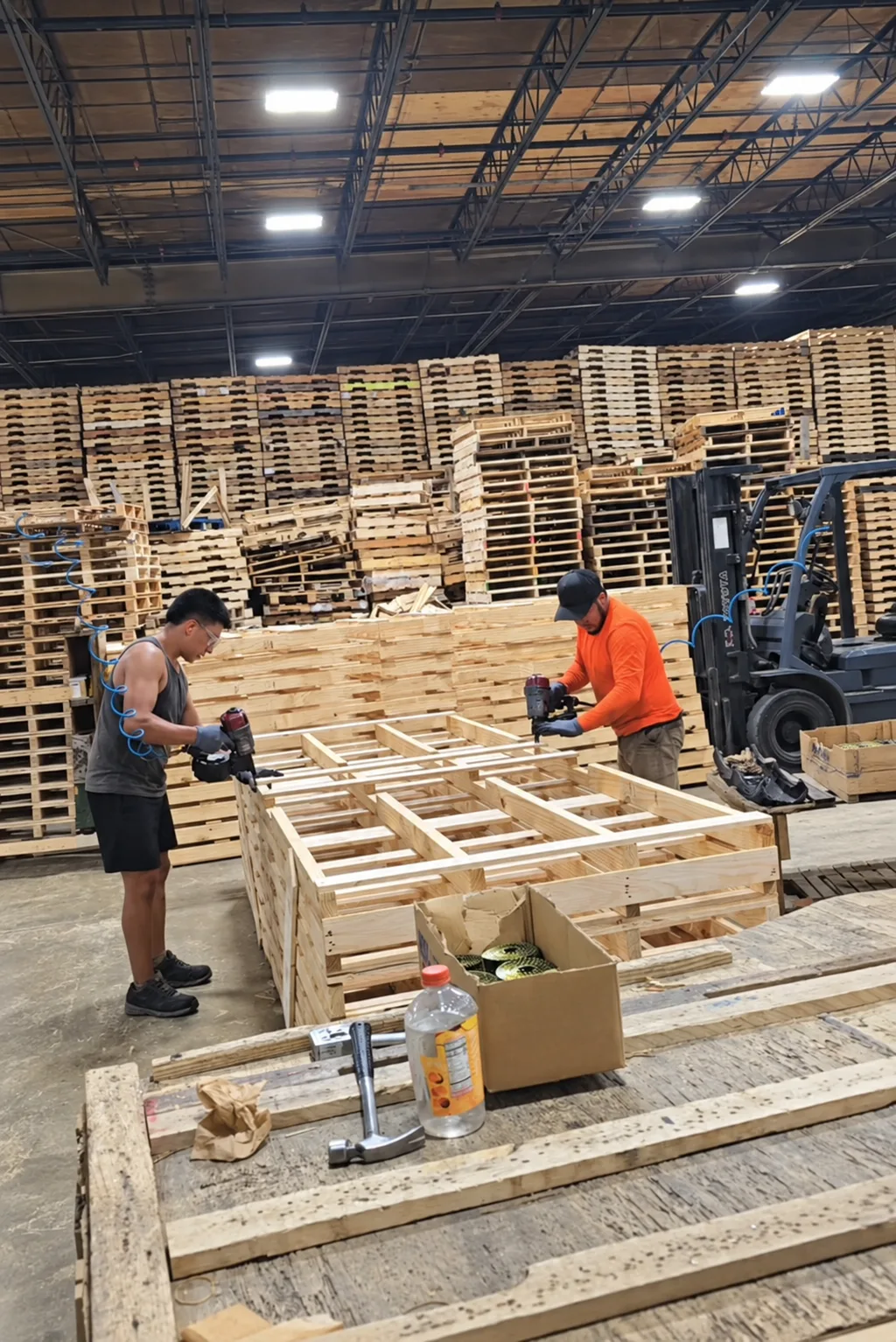
200 cartons / size
Usual standard-coil MOQ
400 cartons
Jumbo-coil MOQ
25–30 days
Typical standard-coil lead time
START WITH THE ASSEMBLY
Specify nails for the joint and timber
Wood species, board thickness, moisture, joint geometry and handling loads can change how a nail drives and holds. Begin with the workpiece and the fastening method. The examples below show the information we need to recommend a trial specification.
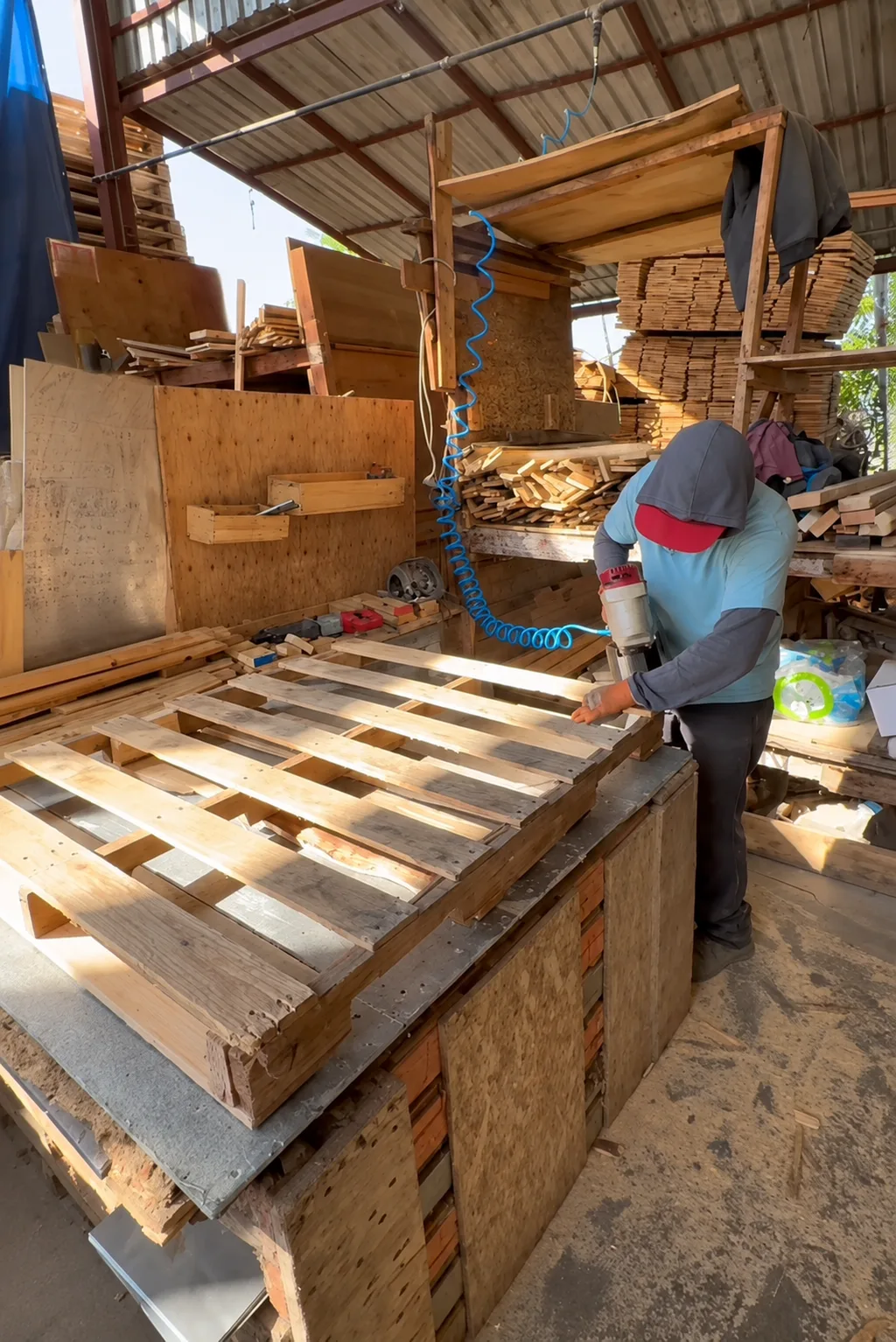
New pallet assembly
For deck-board connections, provide deck thickness, stringer or block size, wood species and the nailing station. We can then discuss nail diameter, length, point and shank before testing a fastening pattern.
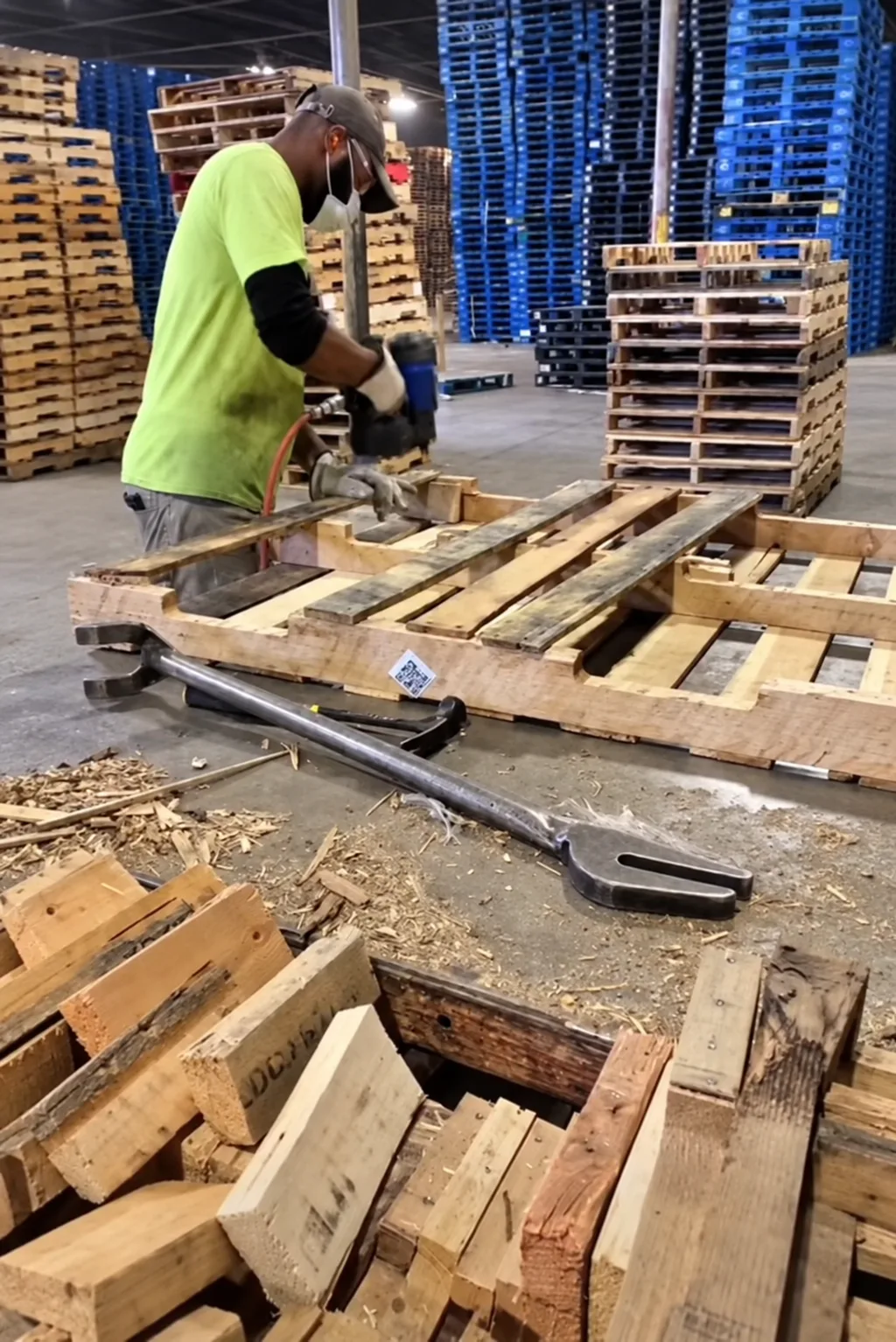
Pallet repair and reuse
Reclaimed boards may differ in density, moisture and existing nail holes. Compare driving, splitting and holding in the actual repair timber. A nail selected for new boards may need a different trial on reused material.
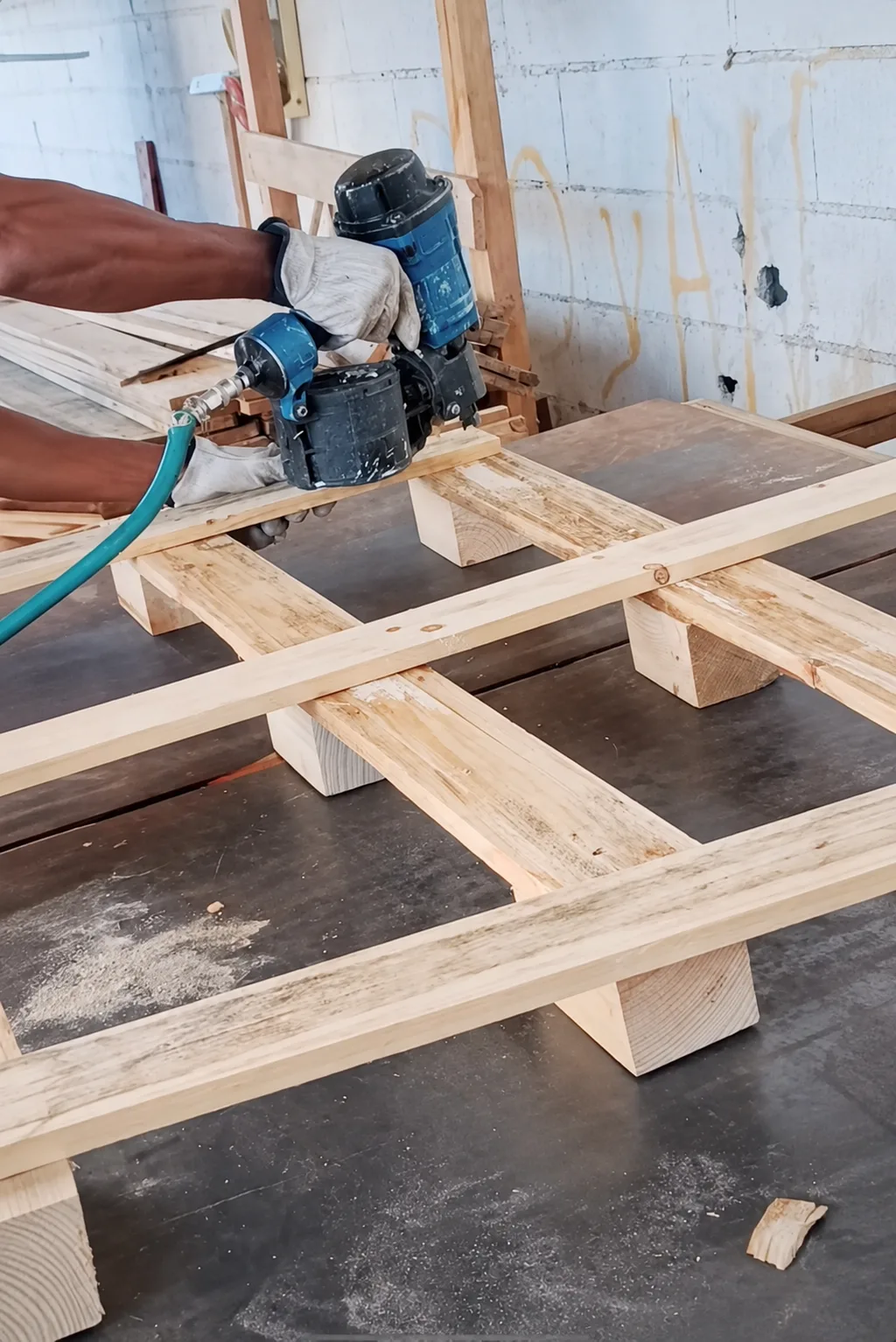
Crates and wooden cases
For panel-to-batten or frame joints, send the panel material and thickness, receiving timber and drawing. The fastener must suit the joint and the tool; a crate fastening pattern should be agreed with the packaging designer.
SPECIFY THE FASTENER
Match steel, shank and geometry to the timber
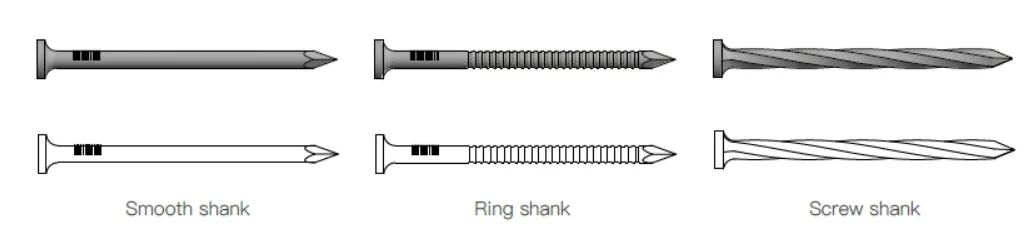
Smooth, ring and screw shanks are different options for the same application. Select by the joint and trial result.
Q195 or Q235: test in your timber
We can supply Q195 or Q235 steel. Steel grade alone does not tell you how the finished nail will perform in every pallet board. Tell us the timber species, density range, moisture and joint thickness; use samples to compare driving, bending, splitting and holding. Grade selection follows the actual timber and trial result in each market.
Choose the shank by the joint
A smooth shank can be considered where easy driving and cost matter. Ring and screw profiles provide different mechanical engagement in wood and should be compared where withdrawal resistance matters. Timber and fastening pattern affect the result; trial the finished assembly before choosing one profile.
Set dimensions from the drawing
Use the board thickness, receiving member and joint drawing to propose diameter, length and point. Check protrusion and splitting on the actual joint. The standard coil nail table shows available nominal metric and inch references; the table does not prescribe a universal pallet size.
Need a closer comparison? See the nail shank guide.
SELECT THE FEED FORMAT
Choose the coil around the equipment
Standard coils and jumbo coils can use similar nail lengths, diameters, points and shank profiles. The distinction is the supported coil format and how it feeds into the equipment. A long nail is not automatically a jumbo nail.
15° standard coil nails
Wire collated coils for compatible handheld pneumatic coil nailers. Review the nominal size table and nails-per-coil count against the exact tool.
Usual MOQ: 200 cartons per size
Jumbo coil nails
Larger supported coils for compatible automatic pallet nailing lines. Compare the reel support, feed path and nail specification with the machine documentation.
MOQ: 400 cartons
Working from a drawing that calls for loose nails?
Some wooden-case or repair operations specify individual nails rather than a coil feed. Send the drawing and application details to compare with our loose nail range. Do not replace the specified fastener or feed format without a trial and buyer approval.
VERIFY BEFORE BULK ORDER
Check the nail and the nailing equipment together
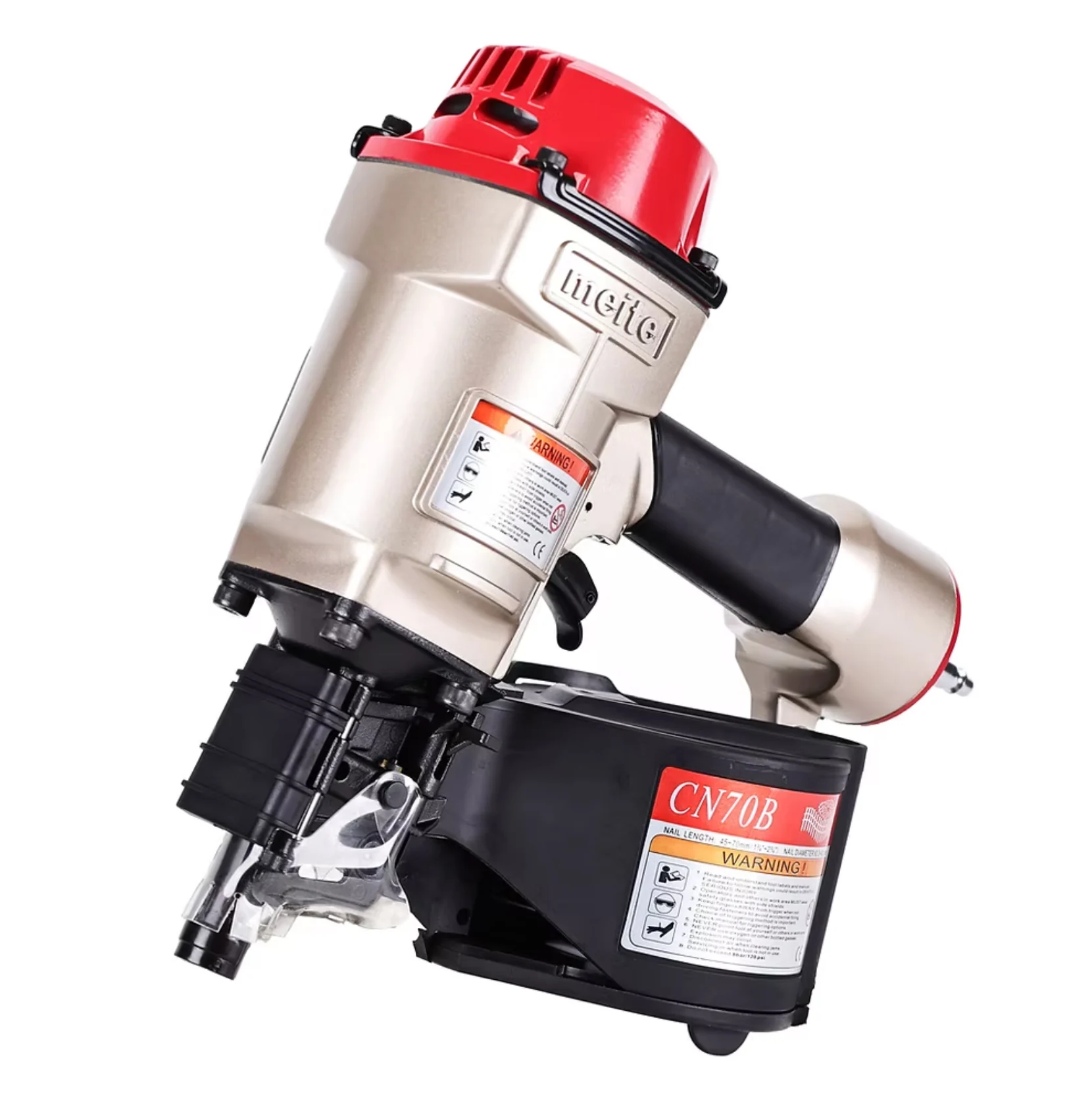
Handheld coil nailers
Start with the exact nailer model and manufacturer’s accepted length and diameter range. Then check head diameter, collation angle, wire position and coil dimensions. A size match alone does not establish feeding compatibility.
Automatic pallet lines
For a jumbo reel, confirm the spindle or centre support, reel clearance, feed path and the accepted nail. Share the machine model, current reel photo and tool documentation so we can compare the actual system.
What to check in a trial
Run a short production trial on the actual wood. Inspect drive depth, bent or broken nails, board splitting, feed interruptions and the assembled joint against your own strength requirements. Record the nail size, steel, shank, point, tool settings and timber batch so the result can be repeated.
PACKING & SHIPMENT
Set the count and packing before quoting
Quote the nail size and nails per coil × coils per carton together. Standard-coil packing changes with the nail size. Jumbo coils are typically 3,000 nails per coil and three coils per carton, but the final reel and carton specification is agreed for the machine and order.
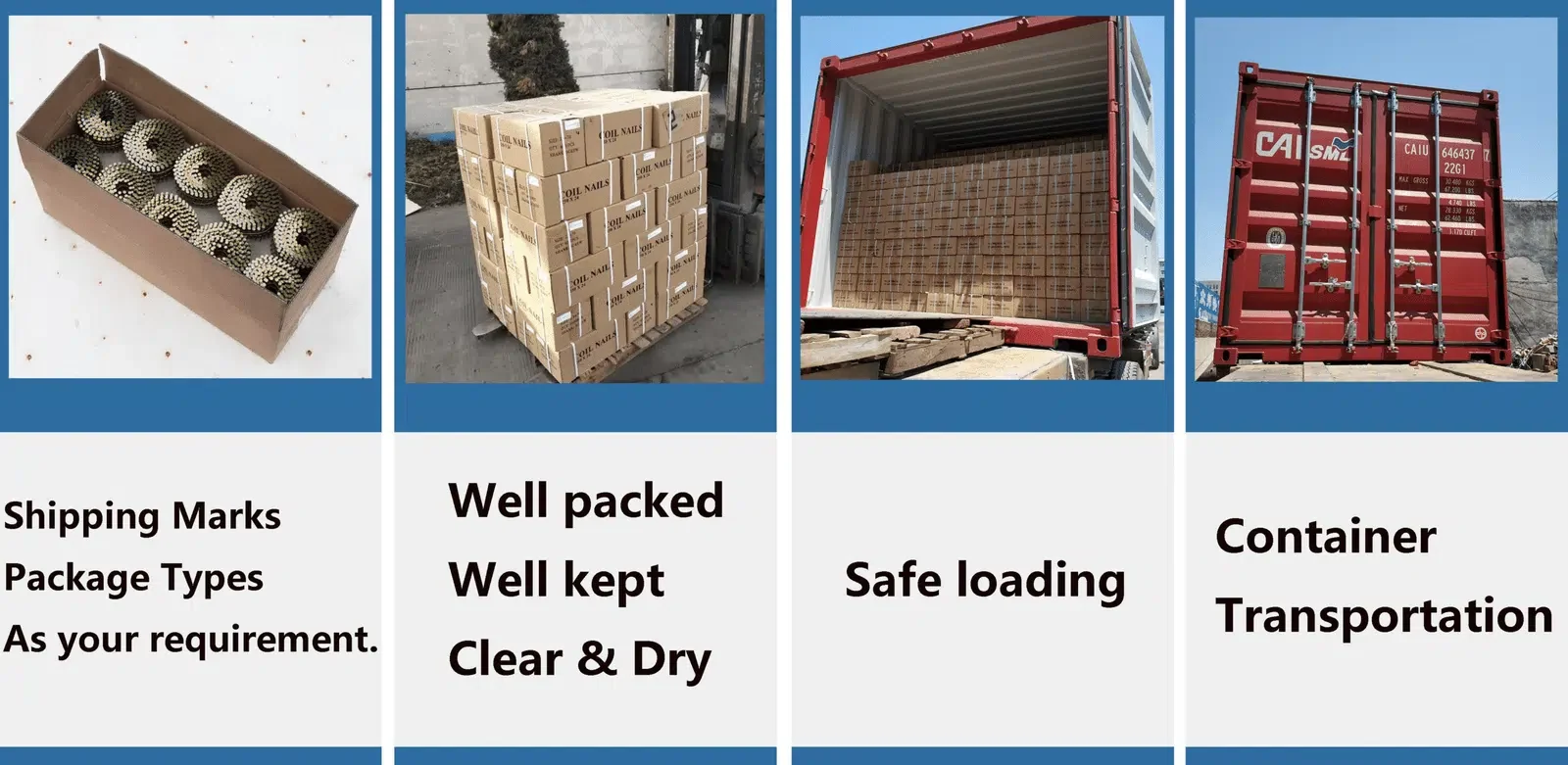
The usual standard-coil MOQ is 200 cartons per size, with a typical lead time of 25–30 days after specifications, packing and order terms are agreed. Jumbo-coil MOQ is 400 cartons. Cartons are palletized for shipment; several sizes can be combined in a shipment.
PRACTICAL CHECKS
Questions to resolve before production
Why do nails bend or break in harder pallet wood?
The cause cannot be identified from wood hardness alone. Check the actual board, nail size and finished-nail condition, point, tool setting and drive path. Compare Q195 and Q235 samples in the same joint, then inspect penetration and any splitting before fixing the order specification.
What if the wire collation breaks or the tool jams?
Stop the tool and follow its manual before clearing a jam. Note where the wire separated and whether the coil fits the magazine and feed path. Share the nailer model, coil photo and affected batch; the issue may involve handling, feeding geometry, a tool setting or weld quality and needs inspection.
What size nail should we use for a pallet deck board?
There is no single size for every pallet. Provide the deck-board thickness, receiving stringer or block, timber, joint drawing and nailer model. We can propose nominal sizes from the standard-coil table for a trial, then check depth, protrusion, splitting and joint performance.
Should pallet repair use smooth, ring or screw shanks?
Compare withdrawal performance and driving behaviour in the repair timber. Existing holes, split boards and reused wood can change the result. The choice also depends on the pallet design and required handling life; test the finished joint rather than selecting by shank name alone.
Can we load a jumbo coil in a handheld nailer?
Jumbo is a supported large-coil format for compatible automatic feeding systems. Confirm the actual machine’s reel mount, clearance and feed path. A handheld nailer that accepts the same nominal nail size does not necessarily accept a jumbo reel.
What should be sent for a useful quotation?
Send the wood and joint drawing, requested nominal nail dimensions and shank, the exact nailer or line model, current coil or sample photo, estimated cartons by size and destination port. We can then discuss a practical test and packing before confirming the final quotation.
BUILD THE RIGHT TRIAL
Share the joint, timber and machine
Send a pallet or case drawing, board dimensions, wood description and the nailer or machine model. Add the current nail or coil photo if available. We will use those details to discuss a test specification and an order that fits your production.