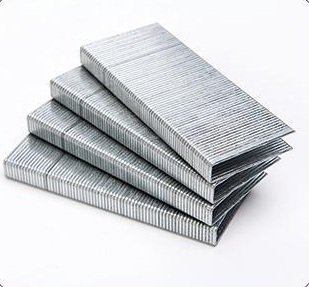
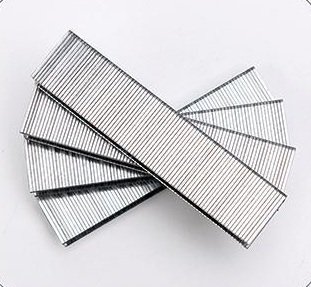
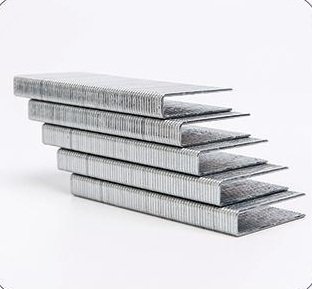
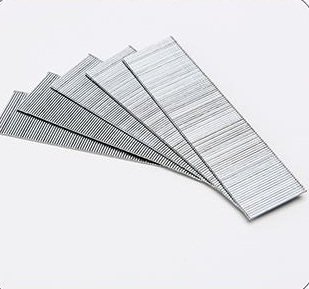
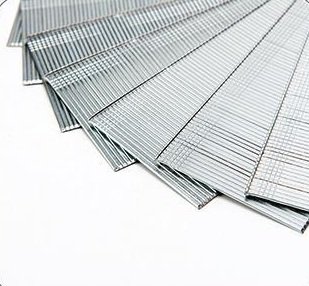
Woodworking staples for panels and timber components; F brads and T-head nails for decorative woodwork. See the difference between back-panel, batten and trim applications.
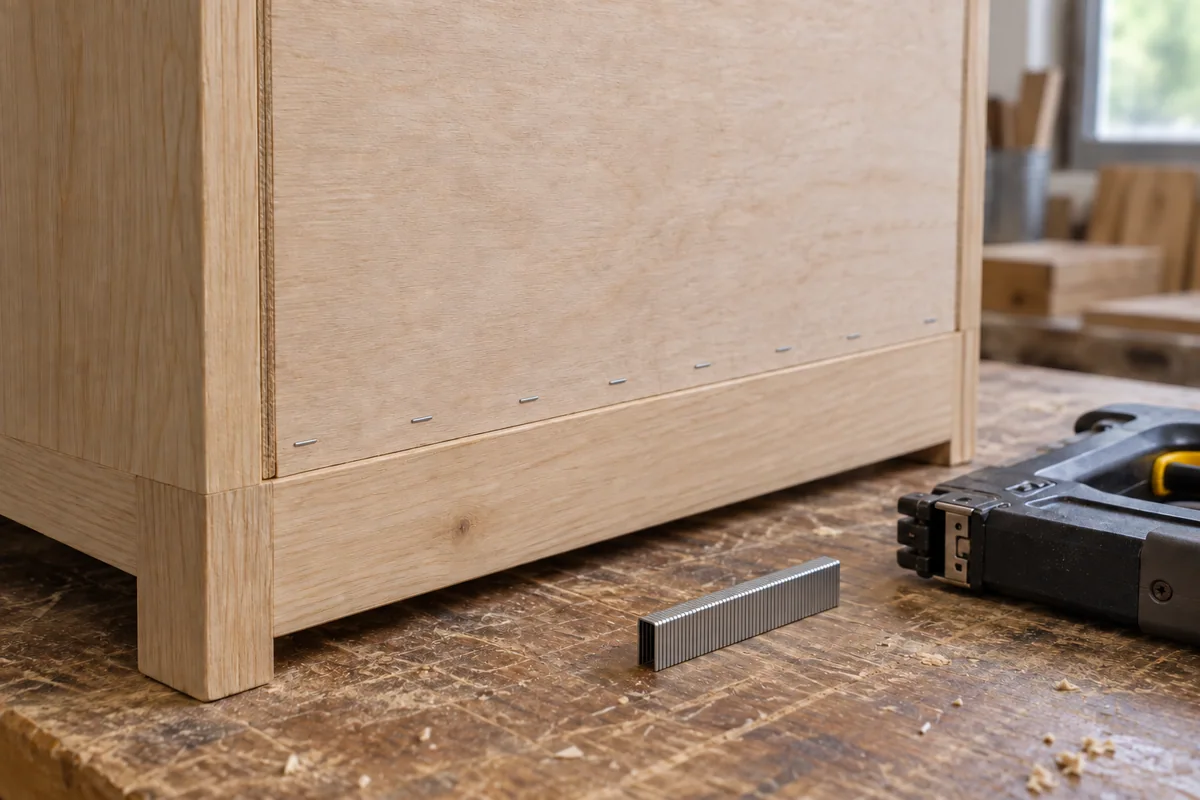
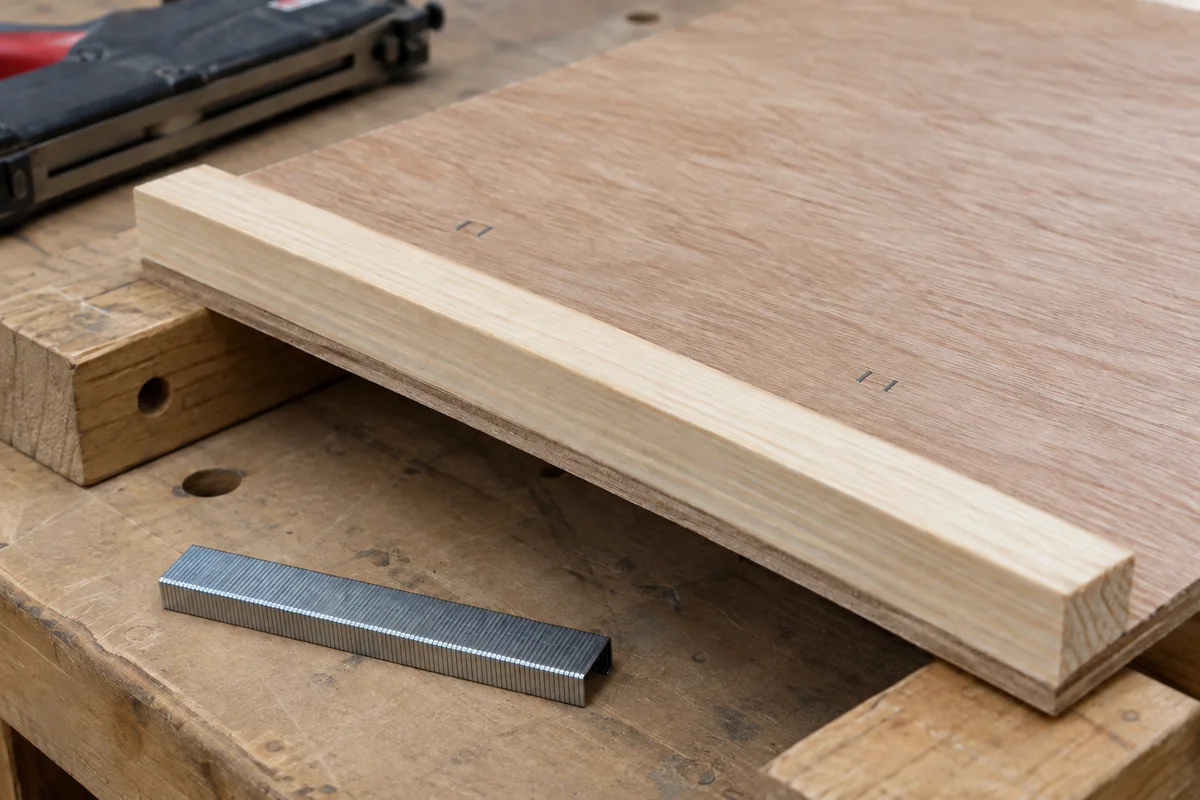
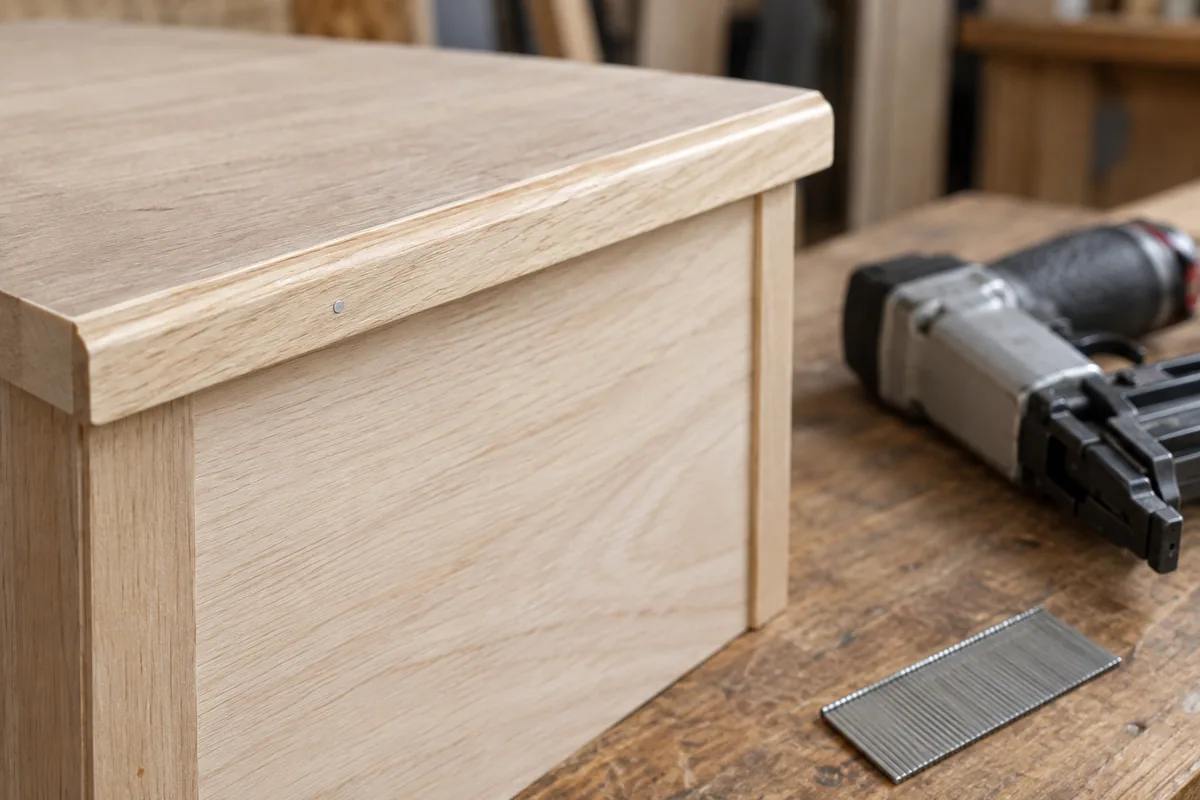
Cabinet back-panel attachment · AI illustration
BEFORE YOU CHOOSE A FASTENER
Start with the workpiece and equipment.
Bring the current fastener or drawing, material stack, joint, exact tool or line model, quantity and destination. The checks below turn those inputs into a useful quotation brief.
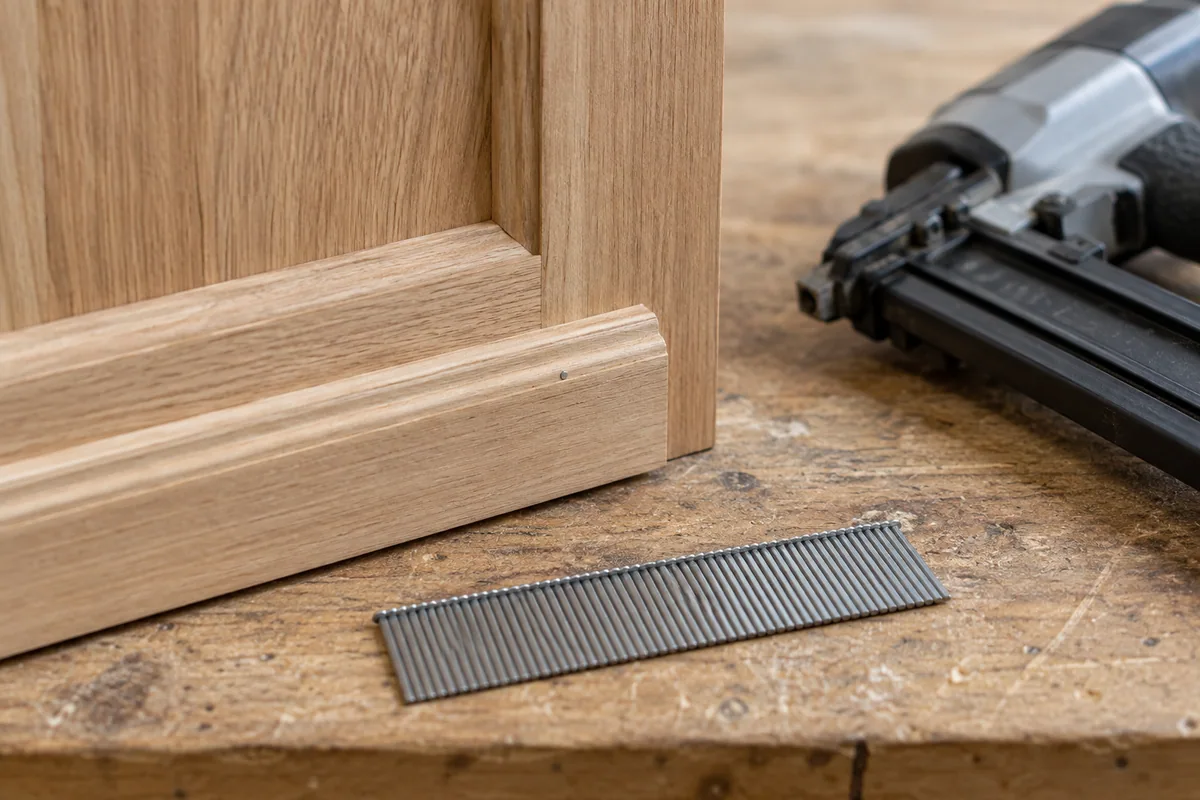
Allow a suitable seating or filling location for the larger T-head profile.
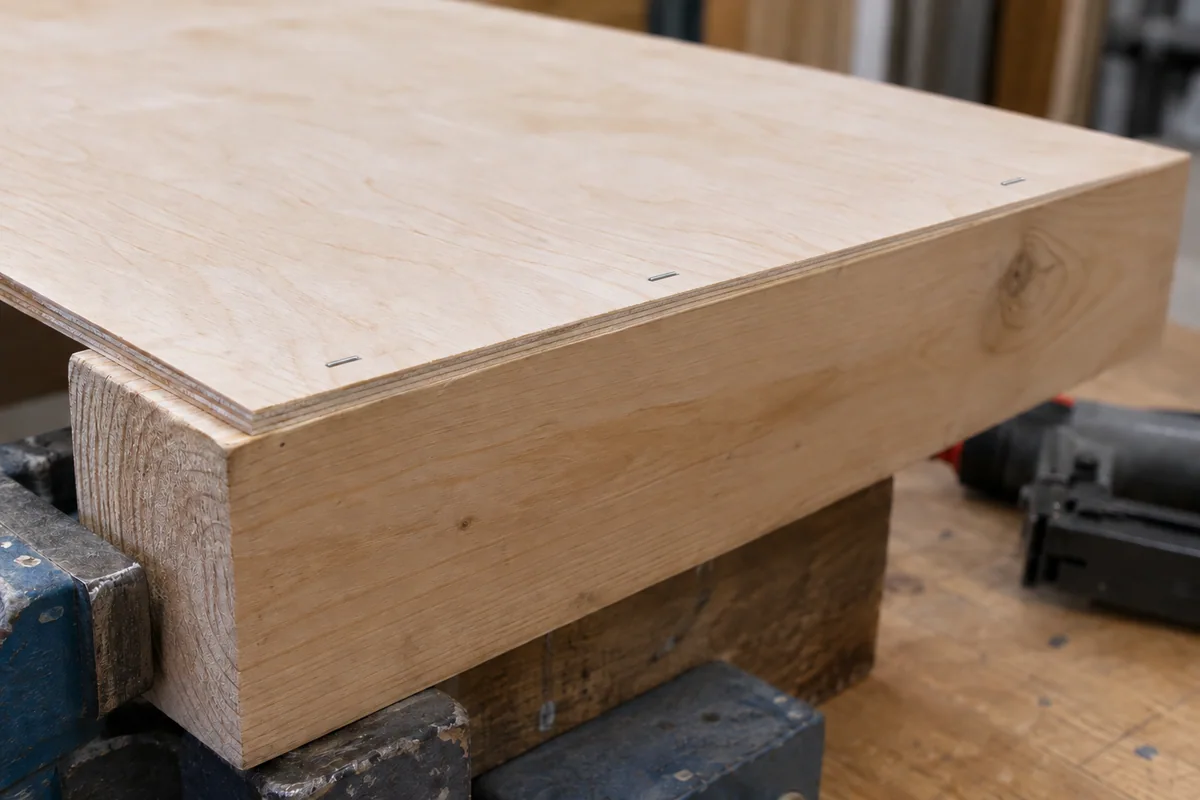
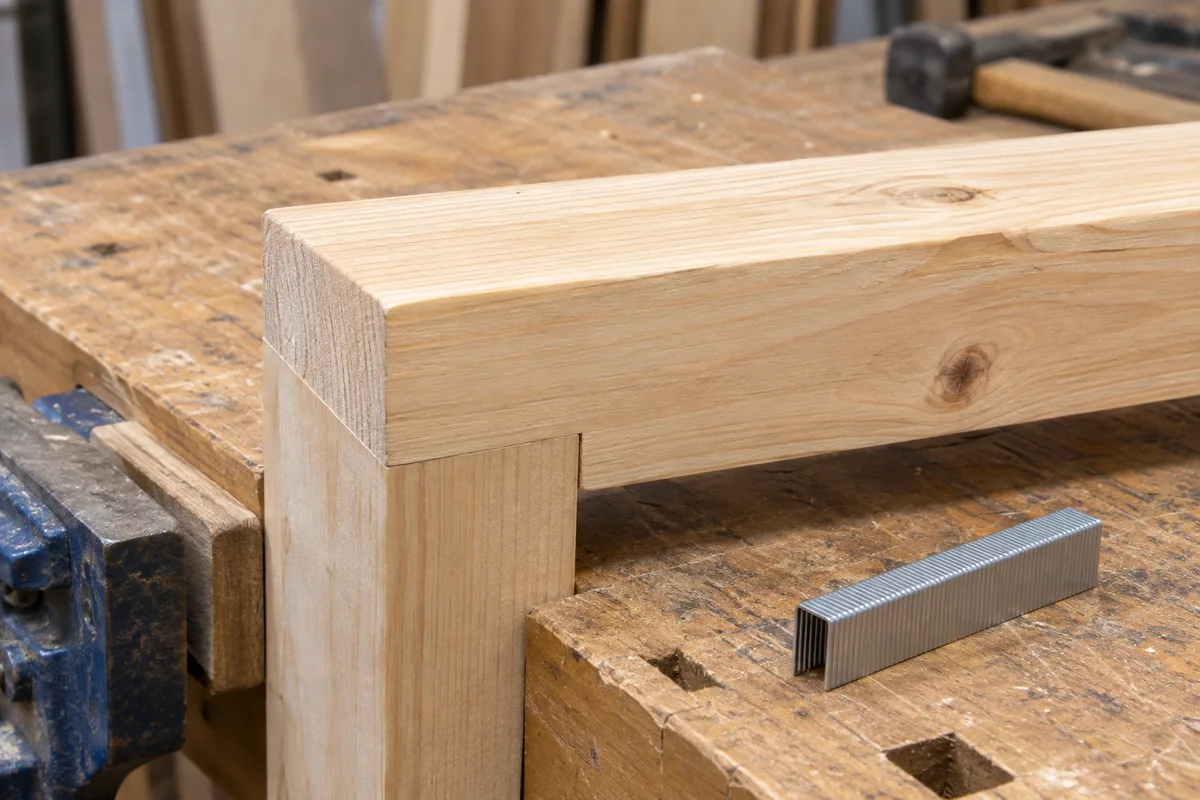
Specified furniture wood components
Match T-head nails to the furniture component process and its accompanying joint details.
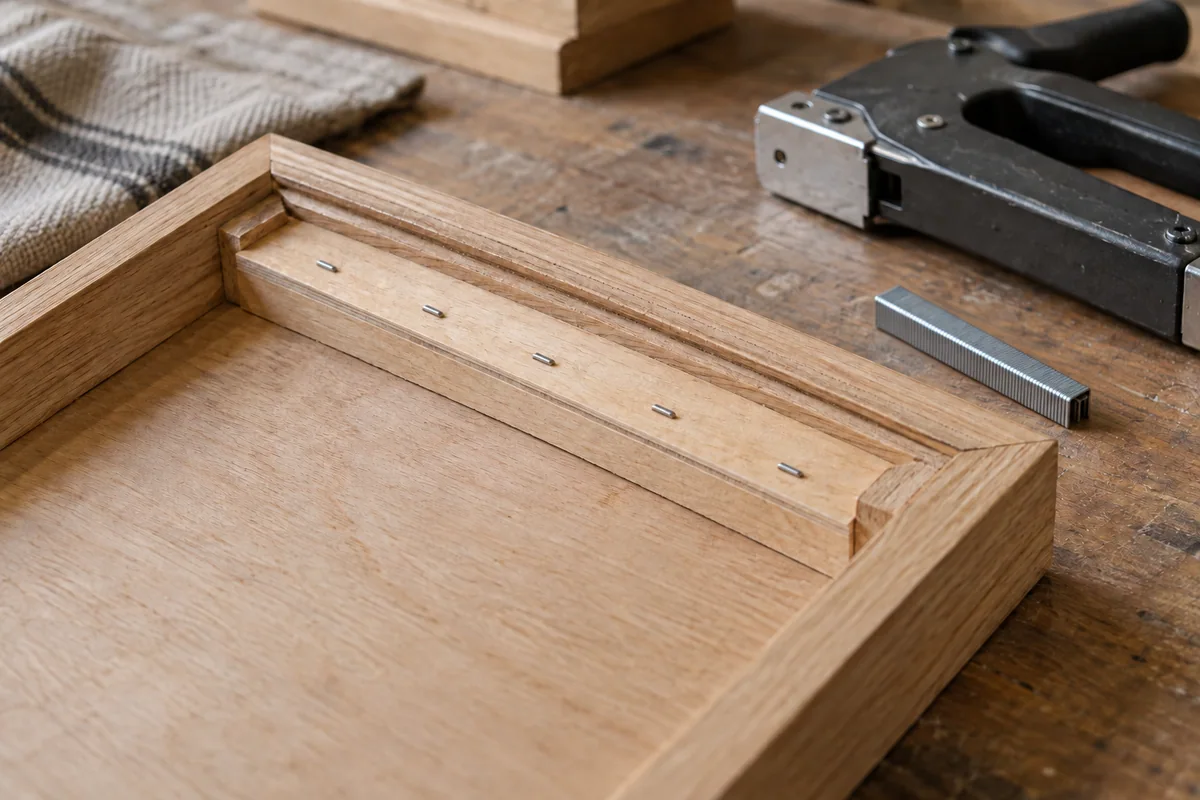
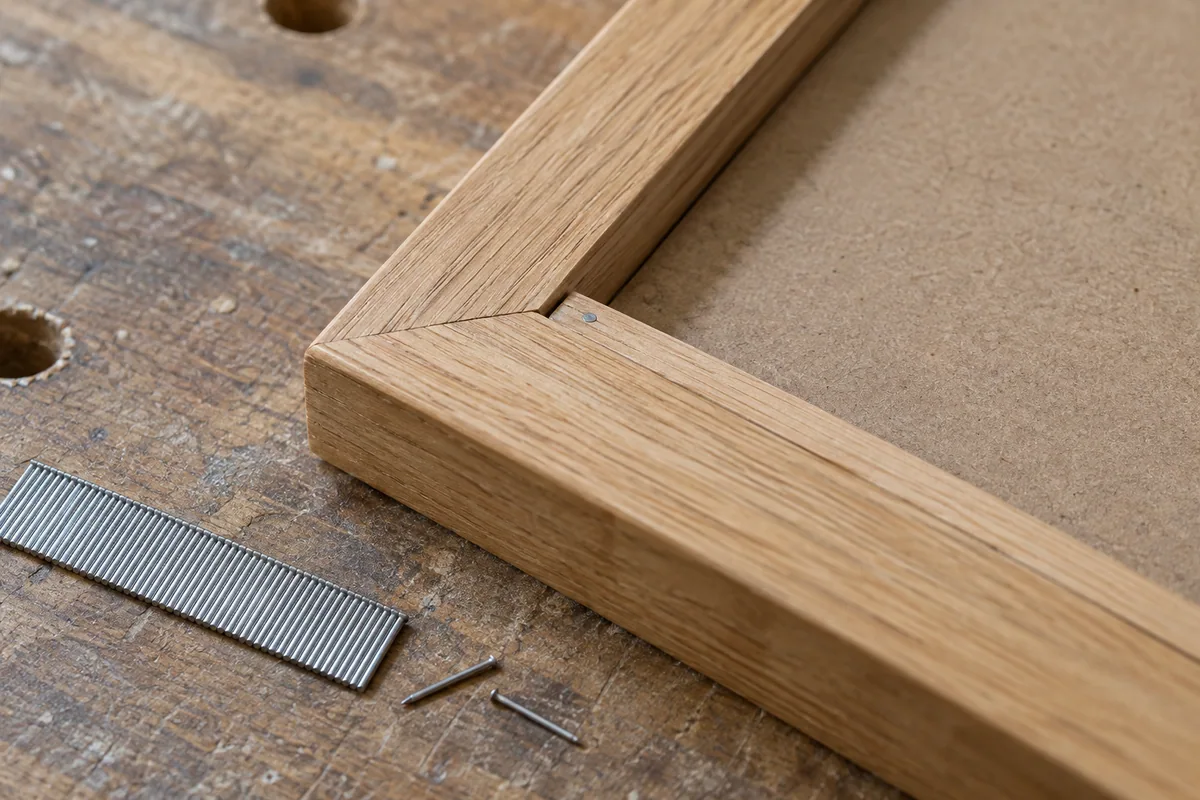
Thicker decorative frame sections
Trial the head seating and timber condition on the actual decorative section.
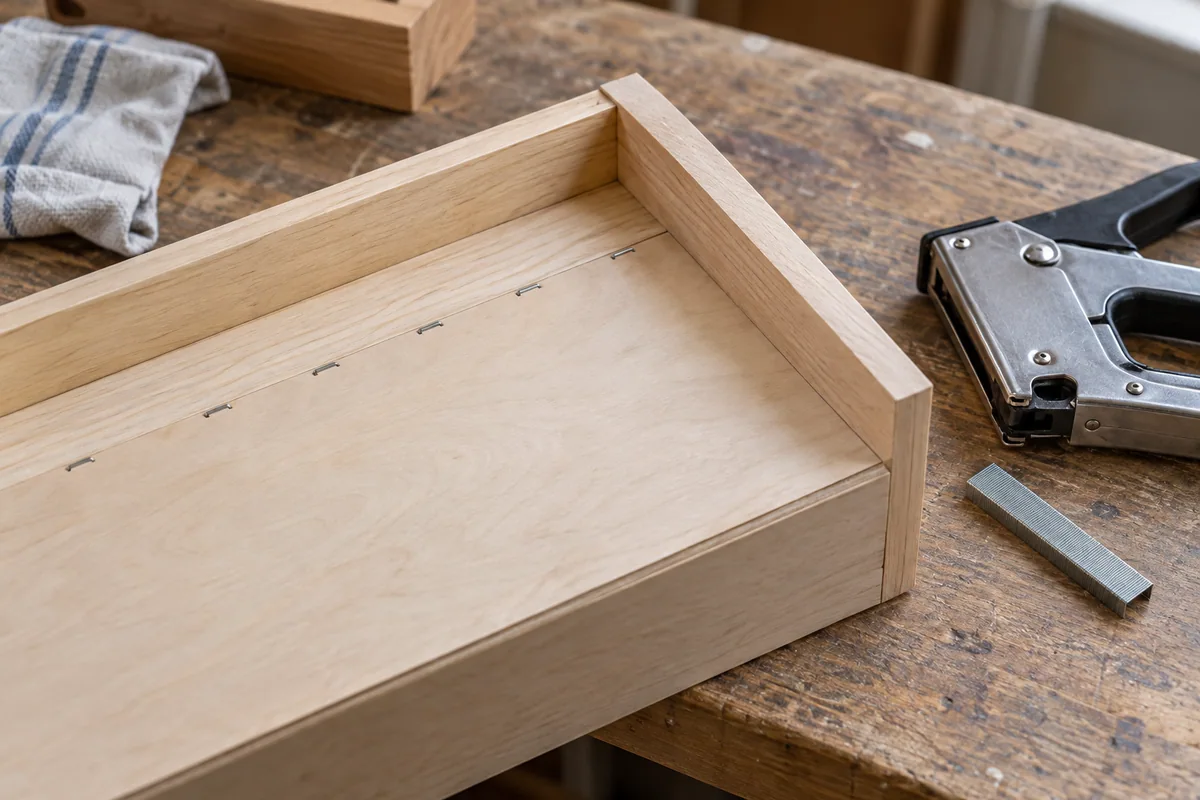
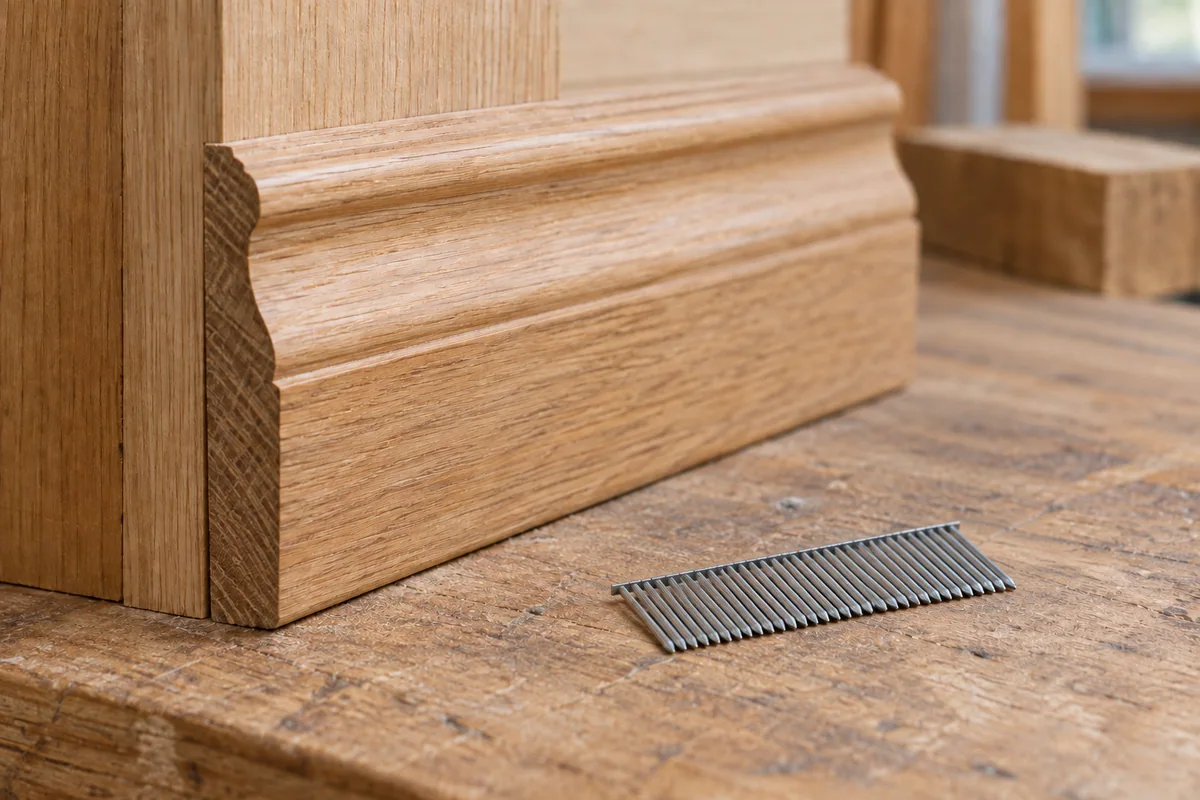
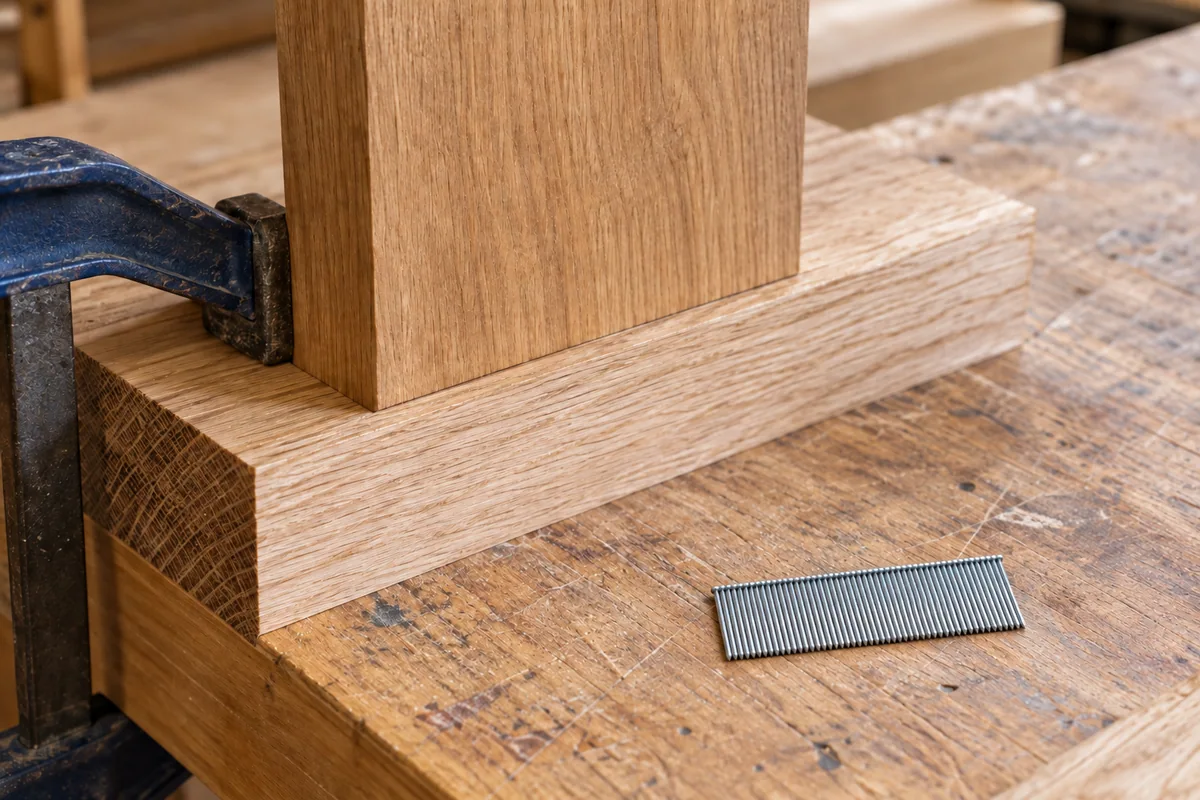
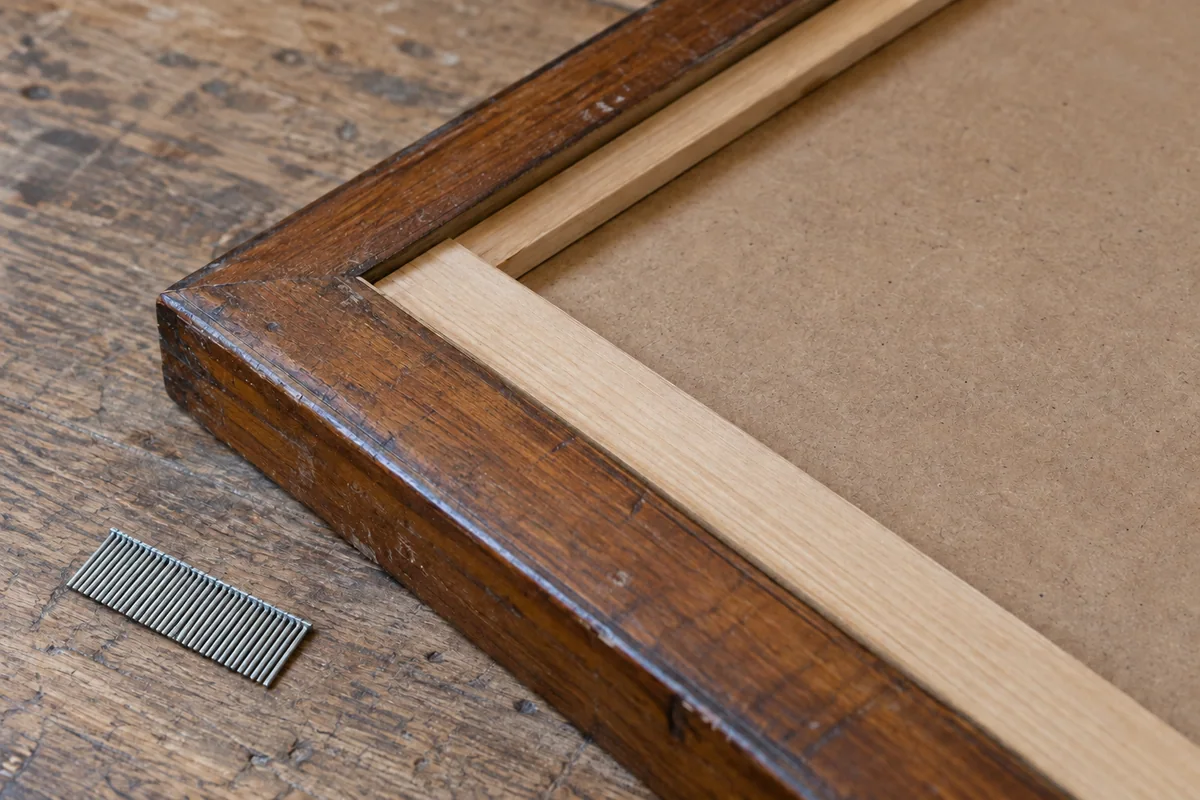
AI-generated application illustrations, not customer project photographs. Final fastener and tool selection must be checked against your materials and equipment.
FROM THE JOB TO THE FASTENER
Which product belongs where?
Products and selection tasks for Cabinetry, joinery & trim
Evaluate heavy-wire staples on the complete furniture component joint before production use.
01
Define the component
Identify solid wood, plywood, MDF or other board and give the thickness of each layer. Panel attachment, a cabinet joint and trim installation are different tasks.
02
Choose the fastening footprint
A staple bridges two legs across a crown; a brad or finish nail has a single shank. Compare the contact area, visible mark and required holding for your assembly.
03
Test the finished part
Use the intended material, adhesive where specified and the actual tool. Review edge splitting, head seating, breakthrough and assembly acceptance before changing a fastener.
General woodworking dimensions do not establish approval for a structural connection. Use the project specification where a designed load applies.