STAPLES

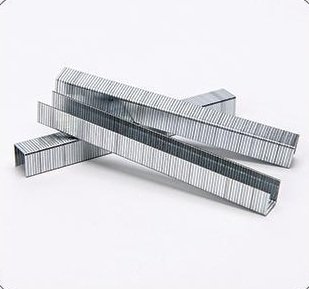
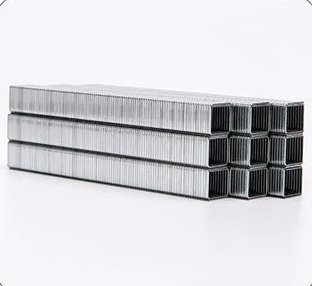
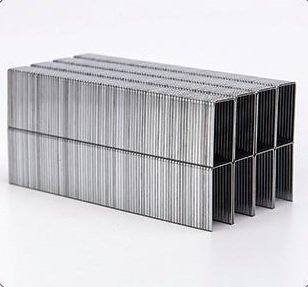
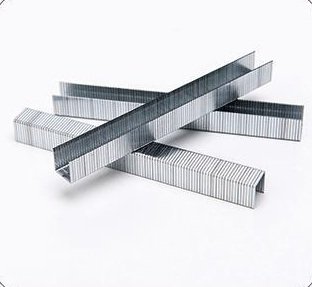
8016 Series 21 Gauge Industrial Staples

21 ga · 6–16 mm

Industrial staples for assembly and finishing work. Match the series, crown width and wire cross-section to your stapler before choosing a leg length.

Gauge

21 ga

Length range

6–16 mm

Crown width

12.9 mm

Wire width

Drawing confirmation required

Wire thickness

0.7 mm

Material reference

Zinc-coated wire; grade to confirm

Pieces / strip

125

Availability, material grade, finish and tool compatibility will be checked for the requested configuration and stated in your quotation.

CATALOG REFERENCE DIMENSIONS

Sizes and series

Source-confirmed nominal inch labels are shown where documented. Unverified dimensions remain in the source unit; listed references do not imply every size combination is available.

8016 Series 21 Gauge Industrial Staples · catalog reference sizes

Reference

Length (mm)

8006

6 mm / 1/4 in (nominal)

8008

8 mm / 5/16 in (nominal)

8010

10 mm / 3/8 in (nominal)

8012

12 mm / 15/32 in (nominal)

8014

14 mm / 9/16 in (nominal)

8016

16 mm / 5/8 in (nominal)

Choose a listed size and include it in your enquiry.

Wire width requires a confirmed drawing. Use the crown, gauge and listed leg lengths to begin your enquiry.

Wire width only: the catalog lists 0.95 mm and .036 in, which are not a resolved unit pair. The crown, wire thickness and six leg-length rows remain separately listed.

DEFINE THE ORDER, NOT JUST THE FASTENER

Packing, samples and order documentation.

Material and packing details

Parameter

Reference

Standard material reference

Zinc-coated wire

Alternative material enquiry

Stainless steel; specify grade

Fasteners per strip

125

Box / carton packing

Specify the required count; quoted for the selected size

Source feed-wire diameter

0.81 mm before forming

Source point angle

40°

Source zinc-layer reference

0.7–1.0 μm

Material and manufacturing figures are catalog references. Coating thickness is not a batch test result or a corrosion-life guarantee; stainless grade, tool fit and packing are confirmed with the selected size.

APPLICATION EXAMPLES

Where it's used

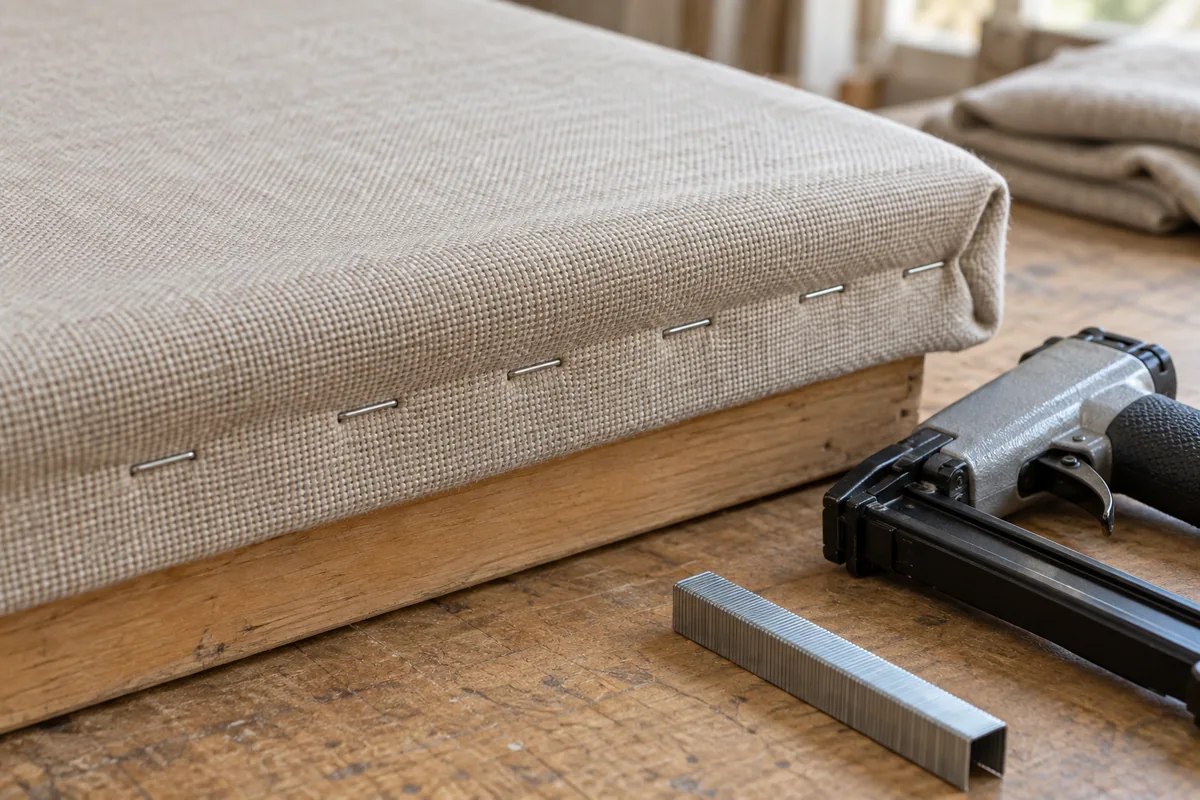
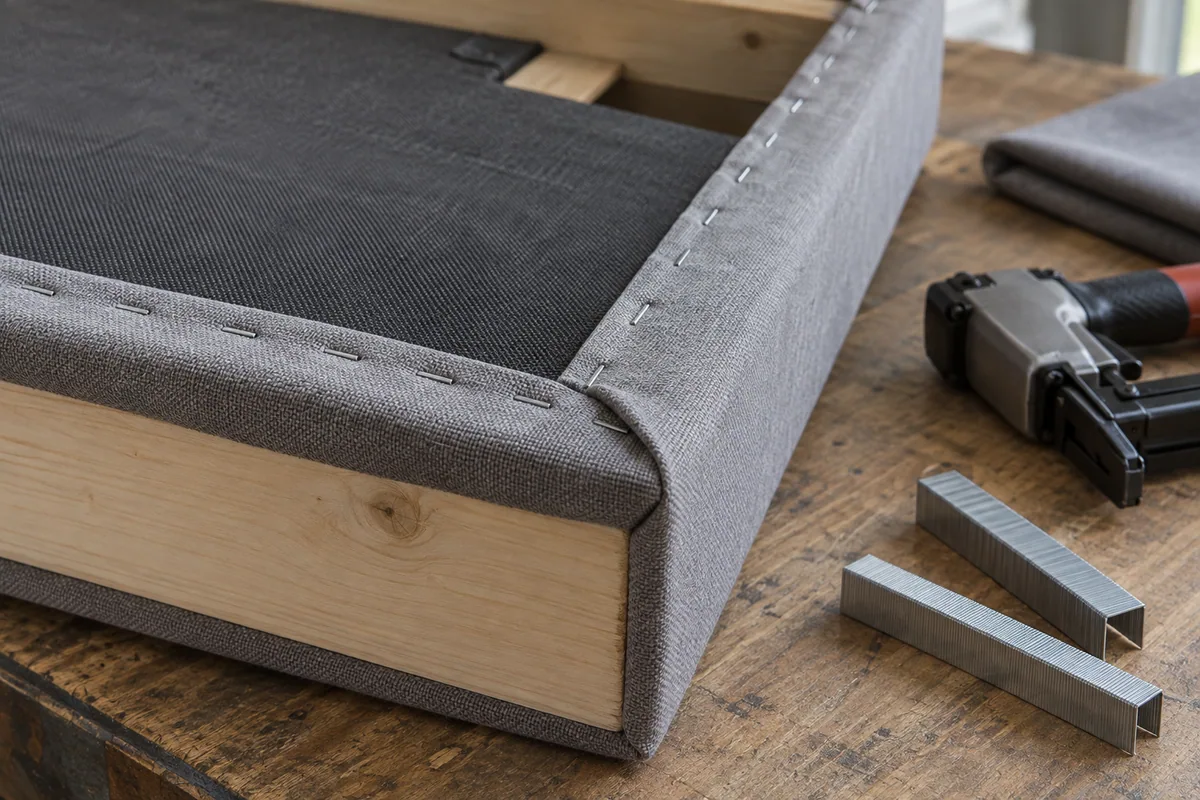
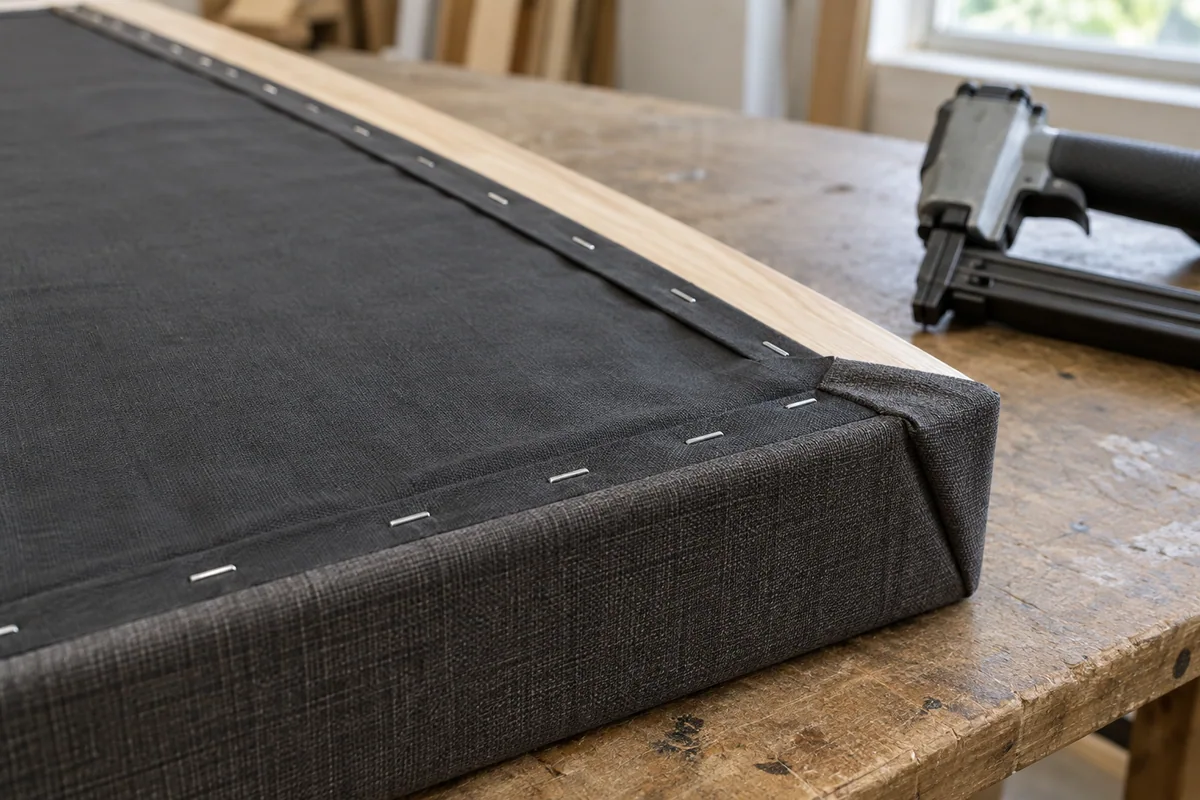
Explore the materials, joints and workshop tasks below. Match the fastener size and tool to your own workpiece before ordering.

AI-generated application illustrations, not customer project photographs.

FOUR DIMENSIONS BEFORE A SERIES NUMBER

Read the crown, wire and leg together.

Crown width

Leg length

Wire section

Width × thickness

Measurement guide · schematic, not to scale. Refer to the listed dimensions and an approved order drawing.

8016 Series 21 Gauge Industrial Staples: check the entire cross-section

A familiar series number helps identify a starting point. The crown width, wire width, wire thickness and leg length determine whether a candidate staple matches the tool and joint.

1. Record the crown width and confirm the supplier’s measurement convention on the order drawing.

2. Record both dimensions of the wire cross-section; gauge alone is insufficient.

3. Choose a listed leg length for the material stack and required penetration.

4. Compare the dimensions with the exact stapler model and approve a sample.

Choose for your workpiece and equipment

01

Measure the 80-series geometry

The catalog lists a 21-gauge staple with a 12.9 mm crown and 0.7 mm wire thickness. Wire width requires a confirmed drawing because source labels conflict. Compare the exact tool geometry before treating series names as equivalent.

02

Balance crown and fixing margin

Confirm enough material lies beneath the crown and both legs land in sound backing. Trial edge attachment with realistic covering tension.

03

Check a complete production strip

Assess feeding, strip breakage, seating and covering damage over a representative run. Include the shortest and longest ordered lengths in approval.

Questions before you order

No. Compare crown width, both wire dimensions and strip shape with the current fastener and tool specification. Confirm the crown measurement convention on the order drawing.

Selection also depends on weave, tension, edge allowance and backing. Evaluate cut-through and retention on the finished assembly.

Application limits to check

FROM THE BLOG

Read before you specify